
There’s something deeply satisfying about stepping into your backyard, picking fresh vegetables, and knowing you grew them. I’ve seen friends start with just a few pots and end up with a full-blown garden full of life. Whether you have a big yard or just a small patch, planting your own garden isn’t just possible; it’s easier than you think once you know the steps.
Let me walk you through everything you need to get started, without all the overwhelm or fancy talk. This is exactly how I helped my neighbor start her first little vegetable garden, and she still sends me fresh tomatoes!
How to Plant a Garden
Know Your Local Climate and Soil
Understanding your climate and soil is the backbone of a successful garden. Plants thrive when their environment matches what they naturally need. You don’t need a science degree to figure this out; just a little observation and a few simple checks can make all the difference.
1. Know Your Growing Zone
Every region falls under a USDA growing zone. This tells you what kind of temperatures your area can expect and which plants are likely to survive year-round. Most seed packets or plant labels mention what zones they thrive in, so this little detail helps you avoid picking the wrong crops from the start. For example, according to the USDA’s Plant Hardiness Zone Map (2023), average minimum winter temperatures define which plants are likely to survive in your region.
2. Sunlight: Full Sun or Shade?
Most vegetables, like tomatoes, peppers, and squash, need 6–8 hours of direct sunlight each day. Herbs and leafy greens like lettuce can handle partial shade. So before planting, take a few days to observe where the sun hits your space and for how long. A simple sunlight journal can help you decide the best planting spots.
3. Soil Type and Drainage
Soil is more than just dirt; it’s the life source of your plants. The best garden soil is loamy, which means it’s a mix of sand, silt, and clay. If your soil is too sandy, water drains too fast. If it’s mostly clay, water pools up, and roots can rot.
You can test your soil type by grabbing a handful of moist dirt and squeezing it. If it crumbles apart, it’s sandy. If it forms a tight ball, it’s clay. Somewhere in the middle? That’s what we want.
Drainage is also key. Try digging a small hole, filling it with water, and seeing how fast it drains. If the water sits for more than an hour, you’ll need to improve drainage with raised beds or compost.
4. A Personal Lesson From My First Garden
I still remember my first attempt at gardening. I was so excited, I bought a bunch of seedlings and planted them in the prettiest corner of the yard. The problem was that the corner got barely 3 hours of sunlight a day. My tomatoes never stood a chance. It took a full season of trial and error before I realized that gardening is more about observation than decoration. Now, I always spend a few days studying my space before planting anything, and I suggest you do the same.
The more time you spend getting to know your environment, the easier it becomes to grow a garden that actually flourishes. Start with your light, your soil, and your drainage, and you’ll be ahead of 90% of beginners
What Grows Well in Your Area
Once you’ve learned about your soil and sun, the next question is: what should you actually plant? The answer depends on your growing season and how much time and space you have. Some plants are tough and forgiving, perfect for beginners, while others are a bit more needy. Start with crops that match your season and your patience.
Pick Seasonal Winners
Understanding the difference between cool-season and warm-season crops can help you avoid disappointment. Cool-season vegetables like lettuce, spinach, broccoli, and carrots grow best when temperatures are mild. They’re perfect for early spring or fall. On the other hand, warm-season plants like tomatoes, cucumbers, beans, peppers, and squash need warm soil and long sunny days to really thrive.
This is where your local climate matters. If your winters are mild and short, you might get two growing seasons a year, one in early spring and one in late summer. If you live somewhere with hot, long summers, focus on heat-tolerant plants that won’t wilt under intense sun.
A small tip I always follow is to look at what local farmers’ markets are selling at a certain time of year. If they’re selling tons of green beans or tomatoes in June, you can be pretty confident that those crops do well in your area.
Choose Beginner-Friendly Crops
When you’re just starting, it’s tempting to grow everything. But trust me, it’s better to keep things simple. Some vegetables are incredibly easy and bounce back from small mistakes. Others need more attention and ideal conditions.
For your first garden, stick with hardy options like cherry tomatoes, bush beans, zucchini, radishes, kale, and lettuce. These don’t need much fuss, and they grow fast. Quick wins like radishes, which can be ready to harvest in less than a month, are great for building confidence.
Herbs like basil, parsley, mint, and oregano are also excellent for beginners. They grow fast, don’t take up much space, and are super useful in the kitchen. Just be careful with mint, it tends to take over, so plant it in a pot if you don’t want it spreading all over your garden.
Understand Your Space and Effort
Some plants need lots of room to sprawl, while others can be grown tightly in containers or raised beds. If you have limited space, avoid vining crops like pumpkins or melons unless you’re willing to trellis them up a wall or fence. On the flip side, crops like carrots and radishes grow downward and can be packed closely in beds or containers.
It’s also worth thinking about how much time you’re willing to commit. Tomatoes need regular pruning and staking. Beans mostly grow on their own. Leafy greens need steady watering. If you travel often or forget to water, start with something low-maintenance and drought-tolerant, like okra or peppers.
What grows well isn’t just about climate; it’s about you and your habits. That’s the part many people forget. My friend started growing peppers simply because she said they made her happy. That’s as good a reason as any. Gardening isn’t just science; it’s also a personal relationship between you and what you grow.
Test, Learn, and Keep Notes
Your first year of gardening is all about experimenting. You’ll try a few things, see what works, and learn from the rest. I keep a small notebook where I jot down planting dates, weather notes, and what succeeded or failed. Over time, that little record has become one of my best tools.
So choose a few easy crops, space them out right, give them water and sunlight, and watch how they respond. Your garden will start to speak to you. All you have to do is listen.
Plan Your Garden Space
Before you plant a single seed, it’s smart to map out your garden. Planning the layout helps you avoid overcrowding, improves your harvest, and make your garden easier to care for. Whether you’re working with a backyard, a balcony, or a raised bed, proper planning makes everything smoother.
Start With the Sun and Size
The first step is choosing a spot that gets at least 6 hours of direct sunlight a day. Full sun is ideal for most vegetables, but leafy greens like lettuce or herbs like mint can manage in partial shade.
Once you’ve picked your space, measure it. Knowing how much room you have helps you decide how many crops you can grow without crowding them. Overcrowded plants compete for nutrients and sunlight, and that leads to poor growth.
Raised Beds, In-Ground, or Containers?
Each garden style has pros and cons. Here’s a quick breakdown:
| Type | Pros | Cons |
| Raised Beds | Great for drainage, easy to manage soil | Requires building and filling |
| In-Ground Garden | Natural, no setup needed | May have drainage or soil quality issues |
| Containers | Perfect for small spaces or patios | Dry out faster, limited root space |
If you’re short on space or renting, containers can be your best friend. I’ve grown peppers and herbs on nothing but a sunny balcony using old buckets with holes drilled in the bottom. They worked beautifully.
Smart Spacing and Companion Planting
Not all plants get along, or need the same space. That’s why spacing is key. Some crops, like bush beans or carrots, can grow close together. Others, like tomatoes or squash, need more room to stretch.
Try pairing friendly plants together using companion planting. For example:
- Basil planted near tomatoes can improve flavor and deter pests.
- Carrots grow well next to lettuce since they use different root zones.
- Cucumbers and radishes can share space nicely.
Avoid planting tall crops where they’ll cast shade over sun-loving plants. Map your garden before planting, just sketch it out roughly with plant names and spacing.
Good planning makes gardening less frustrating and a lot more fun. Think of your garden like a team. If you place the right players in the right positions, everything grows stronger together.
Soil Prep: The Secret to Success
Good soil is the foundation of every healthy garden. Without it, even the best seeds won’t grow well. Prepping your soil doesn’t need to be complicated, but skipping it is one of the biggest mistakes beginners make. Healthy soil feeds your plants, holds moisture, and supports strong roots.
Add Organic Matter for Better Structure
Most garden soil needs a little help. Adding organic matter like compost, aged manure, or leaf mold improves the texture and boosts nutrients. This helps sandy soil hold water better and makes heavy clay easier to work with.
Here’s what you can use:
- Compost (from your kitchen scraps or store-bought)
- Aged manure (cow, chicken, or horse, not fresh)
- Worm castings (natural fertilizer that boosts soil life)
- Shredded leaves or grass clippings (free and effective)
Mix organic matter into the top 6–8 inches of soil using a shovel or garden fork. Don’t just sprinkle it on top, your plant roots need it deep down.
Test Your Soil pH
Plants like different pH levels, but most veggies grow best in slightly acidic to neutral soil (6.0–7.0 pH). You can test your soil using a simple pH kit or meter from any garden center. If your pH is off, you can adjust it:
- If it’s too acidic (low pH), add garden lime.
- If it’s too alkaline (high pH), add sulfur or peat moss.
You don’t need to be perfect, just get close to the right range. Balanced pH helps your plants absorb nutrients properly.
Mulch to Lock in Moisture
After planting, cover the soil with a layer of mulch, about 2–3 inches thick. Mulch keeps the soil cool, holds in moisture, and stops weeds from taking over.
Great mulch options:
- Straw or hay (make sure it’s seed-free)
- Shredded bark or wood chips
- Grass clippings (in thin layers)
- Compost (acts as both mulch and fertilizer)
Just keep mulch a few inches away from plant stems so they don’t rot.
Prepping your soil right might feel like extra work at first, but it’s the difference between a struggling garden and one that grows strong from day one. Think of it as feeding your garden before asking it to feed you.
When to Plant: Timing Matters
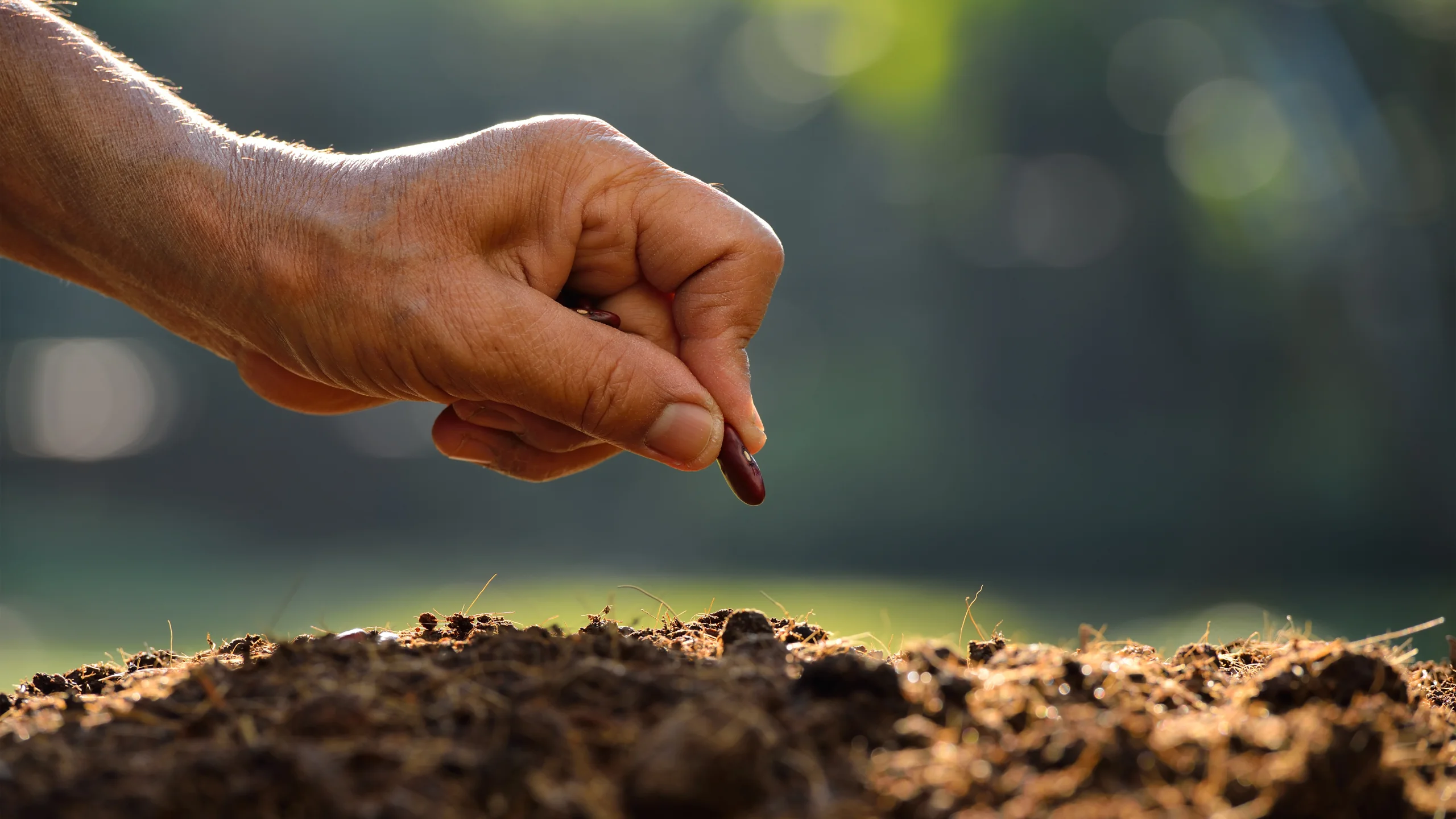
Planting at the right time is one of the biggest keys to a successful garden. You can do everything else right, good soil, full sun, healthy seedlings, but if you plant too early or too late, your crops might struggle or even die off. Timing doesn’t need to be exact down to the day, but it should follow the rhythm of the seasons.
Understand Frost Dates and Seasons
The most important dates for any gardener are the last spring frost and the first fall frost. These tell you when it’s safe to plant outdoors. Cold-sensitive plants like tomatoes, peppers, and cucumbers need to be planted after the last frost, when the soil is warm enough to support growth. On the other hand, cool-season crops like spinach, peas, and lettuce should go in the ground early, while the temperatures are still mild.
Most seed packets include a note that says something like “plant two weeks after last frost” or “sow as soon as soil can be worked.” Knowing your local frost calendar gives you a reliable planting window and helps prevent disappointment from late freezes.
Starting Seeds vs Transplanting
Some vegetables grow better when you start them from seeds indoors and then transplant them outside. This includes plants like tomatoes, eggplants, and peppers. Starting seeds early lets you get a head start on the season, especially if you live in an area with a shorter growing period.
On the other hand, many crops can be direct sown, meaning you plant the seeds straight into your garden soil. Radishes, carrots, beets, beans, and cucumbers fall into this category. These plants usually don’t like being moved, and they grow fast enough that starting them outside works perfectly.
If you’re unsure, just check the seed packet instructions. They’ll guide you on whether to sow indoors or outdoors and give a general timeline.
Know Your Crops’ Growth Time
Each plant has its own timeline from planting to harvest. Some are quick, like radishes, which can be ready in 25–30 days. Others take longer, like pumpkins or tomatoes, which might need 70–90 days or more. Planning around these growth periods lets you stagger your planting and keep your garden producing food for months.
Getting your timing right gives your plants the best chance to thrive. It’s not about rushing, it’s about syncing your garden with nature’s calendar.
Watering and Maintenance
Once your plants are in the ground, your job shifts from setting up to caring for your garden. Watering, checking for pests, and regular upkeep are what keep your garden healthy day after day. The good news? This part becomes a peaceful routine once you get into the rhythm of it.
The best time to water is early in the morning. This allows the leaves to dry during the day and helps prevent fungal issues. In hot months, your garden may need water every day, especially if you’re using containers or raised beds. A deep soak is better than a light sprinkle. Let the water reach the roots instead of just wetting the surface.
Pests like aphids, caterpillars, or beetles can sneak in fast. I walk through my garden every few days and take a quick look at the leaves. Chewed edges or strange spots usually mean a pest problem is starting. Natural fixes like neem oil or hand-picking bugs often do the trick, especially early on.
Weeds can also become a problem if left alone. I try to pull a few every time I water. It’s easier than letting them take over. Keeping your garden tidy doesn’t have to be hard, just consistent.
Tools and Supplies You’ll Need
You don’t need a shed full of gear to garden. Just a few basic tools will do the job well. A sturdy hand trowel, a watering can or hose with a soft spray nozzle, and a pair of gloves are good to start. If you’re doing raised beds or a larger plot, a shovel and garden fork come in handy.
It also helps to have plant markers so you remember what you planted where, and buckets or a cart to move compost or soil around. If the budget’s tight, repurpose what you already have. I’ve seen folks use old kitchen spoons to dig and leftover containers to grow herbs.
Local stores like hardware shops or garden centers usually carry everything you need. You can also find good deals at yard sales or community swap groups.
Common Mistakes Beginners Make
When starting, it’s easy to make a few mistakes. The good part is, they’re all fixable. One of the most common is planting too early, especially with warm-season crops. Cold nights can kill tender seedlings fast. Always check the weather and frost dates first.
Another mistake is ignoring soil prep. It’s tempting to throw seeds in the ground and hope for the best, but plants need loose, nutrient-rich soil to grow well. Skipping this step leads to weak plants and poor harvests.
Beginners also often overcrowd their plants. It looks fine at first, but as they grow, there’s not enough space, and airflow becomes poor, increasing disease risk. Follow spacing guidelines and resist the urge to “squeeze one more in.”
Lastly, some people water too much or too little. Most plants like steady, deep watering, not soaking or drying out completely. Stick your finger in the soil; if it feels dry about an inch down, it’s time to water.
Starting a garden is a learning process. Mistakes are part of it. But each season teaches you something new, and that’s what makes it all worthwhile.
Final Thoughts: Growing Your Garden Year by Year
Gardening isn’t about perfection; it’s about learning and growing, just like your plants. You don’t have to know everything when you start. Pick a few crops, prep your space, and see what happens. Over time, you’ll figure out what grows well, what you enjoy eating, and how to adjust to your environment.
Start small and let your garden grow with you. Maybe it’s a couple of pots on your porch this year and a raised bed next year. Maybe you’ll join a community garden, swap seeds with a neighbor, or teach someone else how to get started. However it unfolds, gardening gives back so much more than food.
Your hands in the soil, the sun on your back, the first ripe tomato of the season, it’s all part of the joy. Trust the process, stay curious, and before you know it, you’ll be the one advising new gardeners.
Ready to Start Your Garden?
If you’re feeling inspired to grow your own vegetables but want a little extra help getting started, you’re not alone. Whether you need seeds, supplies, or a little local guidance, having the right support makes everything easier.
For those near Cleveland, TX, check out DNG Amigos, a trusted local resource where gardening and healthy living come together. They offer community support, helpful tips, and programs to help your garden (and health) grow strong.
