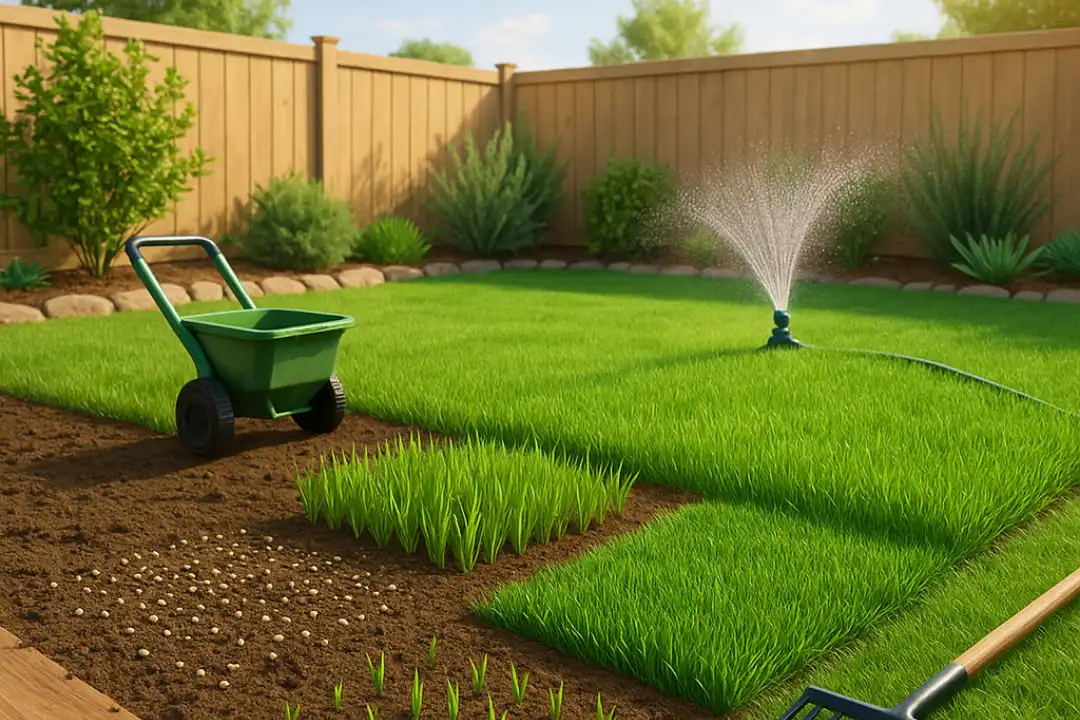
Imagine stepping outside your front door and being greeted by a thick, vibrant lawn that feels soft under your feet and looks like it belongs in a magazine. Whether you’re sipping coffee on the porch or your kids are playing barefoot, a healthy lawn makes home feel complete.
In places like Cleveland, TX, where the climate swings from scorching summers to rainy spring days, learning how to grow lawn grass isn’t just about looks—it’s about choosing the right approach for your yard’s long-term health. And we’re here to make that simple, smart, and successful.
How to Grow Lawn Grass
Growing grass might seem like a lot of work, but it all comes down to the right choices and a little timing. In Texas, you’ll want to focus on warm-season grasses and make sure your soil preparation, watering, and lawn maintenance match the region’s unique weather and soil.
In this guide, we’ll walk you through each step—from selecting the best grass type for your area to building a care routine that keeps your yard green and healthy year-round.
Choose the Right Grass for Your Region
Choosing the right grass type is the foundation of growing a healthy, low-maintenance lawn in Cleveland, TX. The region’s warm, humid climate means you’ll want to go with warm-season grasses that thrive in sun and can handle periods of drought.
Some of the most popular and effective options include:
- Bermudagrass – Fast-growing and durable, perfect for high-traffic areas. It spreads quickly and forms a dense, green lawn.
- St. Augustinegrass – Known for its lush texture and shade tolerance. It’s a favorite for Texas homeowners who have lots of tree cover.
- Zoysiagrass – Offers a great balance between drought tolerance, foot traffic resistance, and lower mowing needs.
- Centipedegrass – A more low-maintenance option, good for those who want a yard that doesn’t need as much fertilization.
- Seashore Paspalum – Rare but useful in coastal or saline-heavy soils. It has salt tolerance and thrives in warm climates.
I remember when I first moved into my home in East Texas. The builder had laid down a patchy mix of grasses that looked okay at first, but it didn’t last one summer. Once I switched to Zoysiagrass, the difference was night and day. It handled the heat, needed less water, and stayed thicker than any other type I’d tried. Sometimes, the right grass does half the work for you.
Quick Comparison Table
| Grass Type | Sun/Shade Tolerance | Mowing Height | Maintenance Level |
| Bermudagrass | Full sun only | 1–2 inches | High |
| St. Augustinegrass | Shade tolerant | 2.5–4 inches | Moderate |
| Zoysiagrass | Sun to partial shade | 1.5–2.5 inches | Low to moderate |
| Centipedegrass | Sun to light shade | 1.5–2 inches | Low |
| Seashore Paspalum | Full sun | 1.5–2.5 inches | Moderate |
Choosing the right grass means fewer problems with disease, weed resistance, and mowing height issues later. Think of it as the first smart decision in your lawn’s long-term success.
When is the Best Time to Plant Lawn Grass in Texas
Timing is everything when it comes to establishing a lush, green lawn in Cleveland, TX. The ideal time to plant warm-season grasses like Bermudagrass, St. Augustinegrass, and Zoysiagrass is during late spring to early summer, when the soil temperature consistently stays above 65°F.
This period allows your grass seed or sod to take root quickly, making use of Texas’s natural warmth and rainfall. Planting too early in cool soil can delay germination, while planting too late can stress new grass under summer heat.
I learned this the hard way during my second year as a homeowner. I got eager and spread grass seed in early March, thinking the warmer days were enough. But the soil was still too cold. Most of the seed didn’t take, and the lawn came in patchy. The next year, I waited until mid-May—and that lawn came in thick and even, almost without effort.
Quick Planting Tips:
- Test soil temperature with a basic probe before planting. Look for 65°F and above.
- Avoid midsummer seeding unless you’re committed to daily watering.
- Overseeding in fall is only effective with certain grass types and should be timed carefully.
Planting at the right time reduces stress, encourages strong root development, and helps the grass outcompete weeds, especially during early growth stages.
Prepare the Soil for Planting
Before you lay a single grass seed or square of sod, you need to get your soil ready. In Cleveland, TX, the soil can vary—from sandy patches to heavier clay—so preparing it correctly ensures your lawn gets the healthy head start it needs.
Start by testing your soil quality. A simple home test kit will tell you the pH level, which should ideally be between 6.0 and 7.0 for most warm-season grasses. If it’s too acidic or alkaline, add lime or sulfur accordingly.
Next, clear the area of weeds, rocks, or leftover grass. Then, loosen the top 4 to 6 inches of soil using a rototiller. This helps with aeration and encourages deeper root growth.
Here’s a quick checklist to follow before planting:
- Test soil pH and nutrient levels
- Add compost or organic matter to improve soil structure
- Level the area to prevent water pooling
- Rake in starter fertilizer for nutrients right where seeds or sod will go
- Roll or press down lightly to create a firm but not compacted base
Poor soil preparation is one of the top reasons lawns fail to establish. Many new homeowners just throw down seed or sod without tending to the soil underneath—and end up dealing with bare patches, poor water retention, and stunted growth.
Doing it right upfront may take a few extra hours, but it sets your lawn up for long-term success. Think of it like building a solid foundation before you build a house.
Grass Seed vs Sod: What’s Better for Your Lawn?
When deciding between planting grass seed or laying down sod, you’ll want to weigh the pros and cons based on your timeline, budget, and the condition of your soil. Both methods can give you a beautiful green lawn, but they get you there in very different ways.
1. Grass Seed
Pros:
- More affordable and easier for DIYers
- Better root development over time
- Greater variety of warm-season grasses available (like Bermudagrass and Zoysiagrass)
- Ideal for large lawn areas
Cons:
- Requires more time and patience
- Needs strict watering schedules during germination
- Vulnerable to weeds and weather early on
2. Sod
Pros:
- Instant green coverage
- Reduces weed invasion due to dense initial coverage
- Erosion control on sloped or bare areas
Cons:
- More expensive up front
- Must be laid quickly before it dries out
- Risk of shallow root systems if not properly maintained
I remember redoing a side lawn one summer. The backyard I seeded looked great—eventually. But that side patch? It was a muddy mess every time it rained. I decided to use sod there, and the results were immediate. It held the soil in place, handled foot traffic, and gave me instant curb appeal. Still, the seeded part came in stronger in the long run.
Which Should You Choose in Cleveland, TX?
If you need quick results or are working with erosion-prone areas, sod is your best bet. If you’re on a budget or want more flexibility in grass type, seeding is the smarter, more sustainable choice. Just be ready for a bit more effort up front.
Step-by-Step Process to Plant Grass Seed
(Planting grass seed successfully isn’t hard when you follow the right steps—especially in a climate like Cleveland, TX, where timing and preparation are everything. With proper planning, you’ll go from bare patches to a healthy, green lawn in just a few weeks.
Step 1: Prepare the Soil
You’ve already tested your soil quality, adjusted the pH, and cleared the area. Now, loosen the top layer again using a rake to break up clumps. This creates a seedbed that allows seeds to take root easily and improves water retention.
Step 2: Choose the Right Seed
Pick a warm-season grass seed that matches your yard’s sun and shade conditions. For full sun, Bermudagrass is ideal. If you have partial shade, go with Zoysiagrass or St. Augustinegrass.
Step 3: Spread the Seed Evenly
Use a rotary or drop spreader to ensure uniform coverage. Overlapping slightly helps avoid thin spots. Pay extra attention to corners and edges—they’re easy to miss.
Step 4: Rake and Press
Lightly rake over the seeded area to mix the seed into the soil, no deeper than 1/4 inch. Then, use a roller or press down with your feet to firm the surface. This helps with seed-to-soil contact, which is critical for germination.
Step 5: Water Consistently
Water lightly but frequently. The top inch of soil should remain consistently moist. Avoid overwatering—it can wash away the seed or lead to fungal problems.
- First 2 weeks: Water 2–3 times daily
- Weeks 3–4: Water once daily
- After 4 weeks: Reduce to 2–3 times per week
I once helped a neighbor reseed their backyard after their dog tore it up. They followed every step except watering. By week two, nothing was growing. We restarted with the same grass seed, this time keeping the soil moist, and the transformation in just ten days was remarkable.
Step 6: Don’t Mow Too Soon
Wait until your grass is at least 3 inches tall before mowing for the first time. Use sharp blades and never cut more than one-third of the grass height to avoid stressing the new lawn.
Getting this process right helps prevent common issues like weed competition, shallow roots, or patchy growth. If you’re consistent in these early stages, your lawn will reward you for years to come.
Watering: How Much and How Often?
Consistent and proper watering is one of the most important factors in successfully growing and maintaining a green lawn—especially in the warm, unpredictable climate of Cleveland, TX. Too little water can cause weak root development, while too much invites disease and weed invasion.
During Germination
When you’ve just planted grass seed, the top inch of soil needs to stay consistently moist. This usually means watering lightly 2–3 times a day for the first two weeks. The goal is to avoid drying out the surface, especially in the Texas heat.
After Grass Sprouts
Once you see growth, reduce to once per day, applying about a quarter inch of water. After 3–4 weeks, you can switch to deeper, less frequent watering (2–3 times per week), encouraging roots to grow deeper and build resilience.
Established Lawns
For an established warm-season grass like Bermudagrass or Zoysiagrass, aim for around 1 inch of water per week, including rainfall. Morning is the best time to water—before the sun is too intense but after dew has evaporated. This helps reduce the risk of fungal disease.
Back when I first got serious about my lawn, I installed a basic sprinkler timer. It wasn’t fancy, but it made all the difference. Once I set it to water early in the morning and adjusted it seasonally, the difference in grass color and thickness was night and day. It also saved me time and guesswork.
Quick Watering Tips:
- Avoid watering at night to prevent disease
- Use a rain gauge to measure weekly water
- Adjust your watering schedule after heavy rain or during drought
- Watch for signs of stress: curled leaves, grayish color, or footprints that stay visible
Correct watering schedules are what take a lawn from decent to outstanding. They support deeper root systems, prevent bare patches, and improve your lawn’s ability to withstand heat, foot traffic, and dry spells.
Fertilization and Weed Control Strategy
Even the best grass seed won’t thrive without proper feeding—and without defense against unwanted guests like weeds. A solid fertilization and weed control strategy is essential for building a thick, resilient lawn in Cleveland, TX.
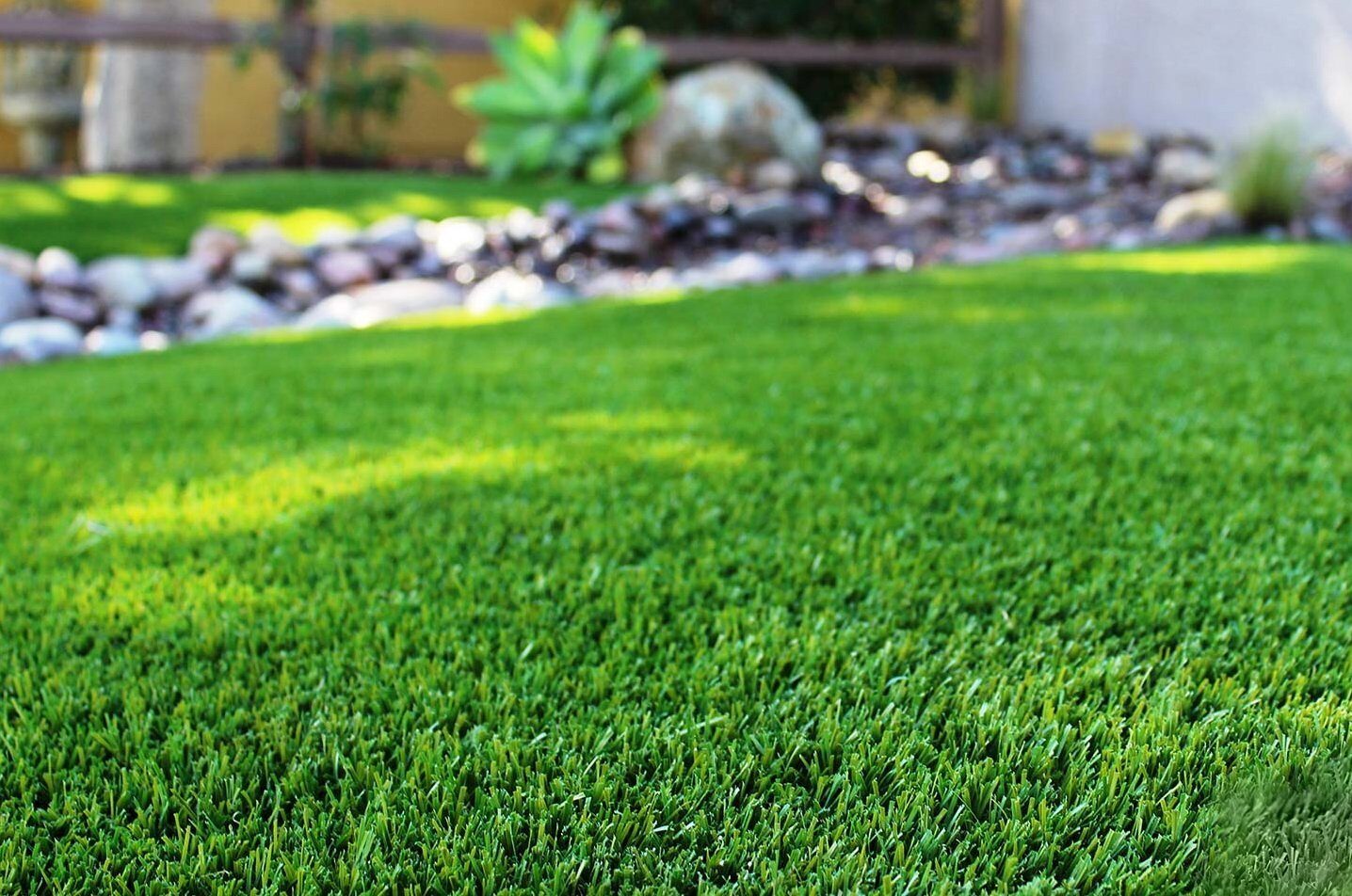
According to the EPA, over-fertilization is one of the leading causes of lawn runoff pollution and should be avoided by following precise seasonal application rates.
Fertilization: Feed Your Lawn What It Needs
Start with a starter fertilizer at the time of seeding or sodding. This provides essential nutrients—especially nitrogen, phosphorus, and potassium, to promote strong root development and quick growth.
For warm-season grasses like St. Augustinegrass and Zoysiagrass, your main fertilizing window is from late spring through summer. A slow-release fertilizer applied every 6–8 weeks keeps nutrients available over time without burning the grass.
- Bermudagrass: Needs more nitrogen—every 4–6 weeks during growing season
- Zoysiagrass: Moderate needs, fertilize every 6–8 weeks
- Centipedegrass: Low fertilizer requirement—once or twice a season is often enough
Always water the fertilizer in immediately after application to activate it and prevent leaf burn.
Weed Control: Stop the Problem Before It Starts
Weeds compete with your grass for sunlight, water, and nutrients—and they tend to thrive in weak or thinning areas of your lawn.
Start with a pre-emergent herbicide in early spring to block common weed seeds from germinating. Follow up with a post-emergent herbicide if any weeds appear later in the season.
Types of weed control methods:
- Pre-emergent: Stops weeds before they grow
- Post-emergent: Kills visible weeds like crabgrass or dandelions
- Spot treatment: Best for isolated areas, minimizes stress to your lawn
In my own lawn, I skipped pre-emergent treatment one spring, thinking I didn’t need it. By June, I was pulling weeds every weekend. The next year, I used a split application (early March and again in May), and I barely saw a single broadleaf pop up. Lesson learned—preventing is always easier than reacting.
Final Tips:
- Never fertilize during drought or extreme heat
- Don’t combine weed and feed products unless your timing is perfect
- Mow regularly to discourage weed spread
A consistent plan with seasonal adjustments will keep your lawn not just surviving—but thriving.
Common Lawn Grass Problems and How to Fix Them
Even the most carefully maintained lawn can run into problems. Whether it’s yellowing, bare patches, or unexpected weed invasion, these issues are often signs of underlying stress in your soil or care routine. The good news? Most problems are fixable with the right response.
Yellowing Grass
If your grass is losing its vibrant color and turning yellow, it could be due to:
- Nutrient deficiency (often nitrogen or iron)
- Overwatering or poor drainage
- Compact soil that limits root growth
Solution: Test your soil, adjust fertilization, and aerate compacted areas to improve oxygen flow to roots.
Bare Patches
Bare patches can form after pet damage, foot traffic, or uneven watering schedules.
Solution: Reseed or patch with sod in early spring or fall. Loosen the soil, apply seed, and follow the same watering and fertilizer steps as you would for a new lawn.
Weed Invasion
If you see sudden weed growth, it’s likely that the grass canopy is too thin or your pre-emergent herbicide timing was off.
Solution: Spot-treat with post-emergent herbicide, improve your mowing and feeding schedule, and overseed thin areas to crowd out weeds naturally.
I had a spot near my front walk that refused to stay healthy—no matter how often I reseeded. Eventually, I discovered a hidden downspout leak that was flooding the area from underneath. Once I redirected the drainage and added compost to rebuild the soil structure, that stubborn patch finally filled in with strong, even grass.
Lawn Pests
Insects like grubs, fire ants, or chinch bugs can cause thinning or dead patches.
Solution: Apply a lawn-safe insecticide targeted to the pest, and follow up with fertilization and light watering to help the lawn recover.
Most problems in your lawn are signals. Instead of just reacting, use them to guide your care. A thick, thriving lawn is the best defense against nearly every issue—just give it the right conditions to do its job.
Seasonal Lawn Maintenance Calendar for Cleveland, TX
Your lawn care needs shift throughout the year—and in Cleveland, TX, that means adjusting for intense summer heat, spring growth spurts, and fall recovery. A consistent seasonal routine will strengthen your grass, improve weed resistance, and support deep root development.
Below is a practical breakdown of what to do—and when—to keep your warm-season grass thriving.
Spring (March – May)
- Apply pre-emergent herbicide to stop weed seeds from sprouting
- Fertilize with a balanced or slow-release fertilizer to encourage new growth
- Begin mowing regularly as soon as the grass begins growing
- Check soil quality and consider aeration if it feels compacted
- Patch bare spots with seed or sod before summer heat sets in
Summer (June – August)
- Water deeply 2–3 times per week (aim for 1 inch of water total, including rain)
- Watch for signs of drought stress: curled blades, faded color
- Keep mowing height slightly higher to provide shade to the soil
- Apply post-emergent weed control if needed
- Avoid fertilizing during extreme heat
I learned a valuable lesson one July when I fertilized right before a heat wave. The result? Burnt tips and weak spots that took months to fix. Now I schedule all my feeding before mid-June—and it’s made a huge difference in the lawn’s ability to handle summer stress.
Fall (September – November)
- Overseed any thin or bare patches with compatible grass seed
- Apply fertilizer in early fall to promote root strength before winter
- Aerate and top-dress with compost if your soil structure is poor
- Gradually reduce watering schedule as temperatures drop
Winter (December – February)
- Most warm-season grasses go dormant; minimal care is needed
- Remove debris and leaves to prevent fungal issues
- Sharpen mower blades and prep tools for spring
- Avoid unnecessary foot traffic on dormant grass to prevent damage
A seasonal plan helps you stay proactive—not reactive. When your lawn care adapts to the weather, your grass becomes stronger, more drought-tolerant, and far less prone to common problems like weed invasion or disease.
Eco-Friendly and Low-Maintenance Lawn Tips
Having a lush green lawn doesn’t mean you have to pour in gallons of water or bags of synthetic fertilizer. With the right strategy, you can build a low-maintenance, environmentally responsible yard that looks great—and works smarter, not harder.
Choose the Right Grass Type
Start by selecting warm-season grasses that are naturally adapted to Cleveland, TX conditions. Options like Zoysiagrass and Centipedegrass offer built-in drought tolerance, grow slowly, and require less mowing and fertilizing.
When we moved into our current home, I inherited a yard full of high-maintenance Bermudagrass. It looked good, but keeping up with watering, mowing, and weed control was exhausting. The next season, I replaced a section with Zoysiagrass, and it was a game changer. It held up better in the summer, needed less water, and seemed to resist weeds on its own.
Water Smarter, Not More
- Water in the morning to reduce evaporation
- Set up a smart irrigation timer to avoid overwatering
- Use mulching mowers to return moisture and nutrients to the soil
By switching to a programmable sprinkler and adjusting the schedule with the seasons, I cut my water usage by nearly half—and still kept the yard thick and green.
Go Organic with Lawn Care
Using organic fertilizer, compost, and non-toxic weed control not only helps your soil structure over time, but also protects your family, pets, and the environment.
- Feed with compost in spring and fall
- Try corn gluten meal as a natural pre-emergent
- Encourage beneficial insects for natural pest control
Don’t Scalp Your Lawn
Too-short mowing weakens the grass and exposes soil to sun, promoting weed invasion. Follow the one-third rule—never cut more than one-third of the grass height at once.
Suggested mowing heights:
- Zoysiagrass: 1.5–2.5 inches
- St. Augustinegrass: 2.5–4 inches
- Bermudagrass: 1–2 inches
With just a few mindful adjustments—like changing your grass type, upgrading your watering routine, and easing off harsh chemicals—you can enjoy a strong, self-sustaining lawn that thrives all year long. It’s not just easier, it’s smarter.
Final Thoughts: Start Growing a Healthier Lawn Today
Growing a lush, resilient lawn in Cleveland, TX is all about working with the climate, choosing the right grass type, and sticking to a simple, seasonal care routine. From proper soil preparation to smart watering schedules and eco-friendly practices, every step builds toward a stronger, more sustainable green lawn.
Start small, stay consistent, and let your lawn reward you over time. The results will speak for themselves.
Ready to Transform Your Lawn into the Best on the Block?
At DNG Amigos Home Care, we specialize in professional lawn care, aeration, fertilization, weed control, and more—designed specifically for yards in Cleveland, TX and nearby areas. Whether you’re starting fresh or need expert help maintaining your green space, our team is here to help your lawn thrive.
Request a Free Lawn Assessment Today
FAQs About Growing Lawn Grass
How long does it take for grass seed to grow in Texas?
Most warm-season grasses start germinating within 7–14 days under ideal conditions (warm soil, consistent watering, and good seed-to-soil contact). Full establishment may take 6–8 weeks, depending on the variety.
Can I plant grass in the summer in Texas?
Yes, but be cautious. While Bermudagrass and Zoysiagrass can be planted in early summer, you’ll need a tight watering schedule to prevent seed from drying out. Avoid planting during extreme heat spells.
Should I aerate before seeding?
Absolutely. Aeration loosens compacted soil, improves water retention, and creates better pathways for roots. It’s one of the most overlooked steps in successful lawn renovation.
What’s the easiest grass to grow in Cleveland, TX?
Bermudagrass grows quickly and handles foot traffic well but needs sun. If you want something lower-maintenance, Centipedegrass is a great choice with minimal fertilizer needs.
Do I need to remove weeds before planting grass seed?
Yes. Existing weeds will compete for light, nutrients, and water. Rake out as much as possible and consider a pre-treatment with post-emergent weed control before seeding.
How often should I water new grass seed?
In the first 2 weeks, water lightly 2–3 times per day to keep the top inch of soil moist. Gradually reduce to once daily, then 2–3 times a week as your lawn matures.
Can I walk on newly seeded grass?
Try to avoid it for at least 3–4 weeks. New roots are delicate, and even light foot traffic can damage them or cause uneven growth.
