

You wake up early, coffee in hand, ready to admire your tomatoes and beans, only to find them half-eaten, plants pulled from the roots, and fresh dirt mounds everywhere. I’ve been there, and let me tell you, it’s frustrating. My friend down the road once lost his entire spring lettuce crop to a single determined groundhog. These furry invaders may look harmless, but they can wipe out weeks of work overnight.
If you’re tired of sharing your garden with uninvited guests, I’m here to help you fix that.
How to keep groundhogs out of the garden
To keep groundhogs out of your garden, use a mix of fencing, scent-based deterrents, and habitat changes.
The best way is to block access, make your garden less inviting, and add natural repellents like garlic or cayenne.
Let’s walk through exactly how to do that, one step at a time.
1. Install a Proper Fence (It’s More Than Just Height)
According to Missouri’s Department of Conservation, fencing must be at least 3 feet high, with lower edges buried 10–12 inches and outward bends to prevent climbing or digging underneath. A fence is one of the most effective ways to keep groundhogs out, but here’s the thing: just putting up a basic wire fence won’t cut it. These critters are strong diggers and surprisingly good climbers. According to Missouri’s Department of Conservation, fencing must be at least 3 feet high, with lower edges buried 10–12 inches and outward bends to prevent climbing or digging underneath.
Here’s the fencing method that actually works:
- Use heavy-duty wire mesh or chicken wire, at least 3 feet tall.
- Bury the bottom of the fence at least 12 inches underground. This stops them from digging under.
- Bend the buried portion outward at a 90° angle, forming an underground “L” shape. This tricks them into thinking there’s no way through.
- Bend the top of the fence outward, like a hood, to prevent climbing.
From experience, I can tell you this matters. A few summers ago, I built a raised garden bed and wrapped it in what I thought was strong enough mesh. Within a week, a groundhog chewed through a weak spot and had a buffet. After reinforcing the setup with deeper buried fencing and a bent top, the visits stopped. That extra digging effort made all the difference.
Tip: Anchor the base with rocks or garden staples to prevent gaps, and check the corners often; groundhogs always test for weaknesses.
2. Use Scent-Based Deterrents That Groundhogs Hate
Groundhogs have a powerful sense of smell, and that’s one of your greatest tools. They rely on their noses to sniff out food and danger, so using certain strong scents can send them packing. These natural repellents don’t harm the animal, but they make your garden a place groundhogs want to avoid.
Natural Smells That Work
There are several scents groundhogs naturally dislike, and the most reliable ones tend to be spicy or strong. Garlic and cayenne pepper are two of the most effective. You can crush fresh garlic and scatter it around the edges of your garden or mix it into water and spray it on and around plants. Cayenne pepper works similarly; you can sprinkle the powder near burrow holes, around fencing, or blend it into a spray with dish soap and water. The strong burning smell keeps them from getting too comfortable.
Another useful trick is using used cat litter or predator urine products, which you can find at garden stores. These replicate the scent of natural enemies like foxes or coyotes. Just a small amount placed near burrow openings or key garden entry points can convince a groundhog that the area is unsafe. I’ve known folks who kept a container of used litter just for this purpose, strange, but effective.
Commercial Repellents You Can Try
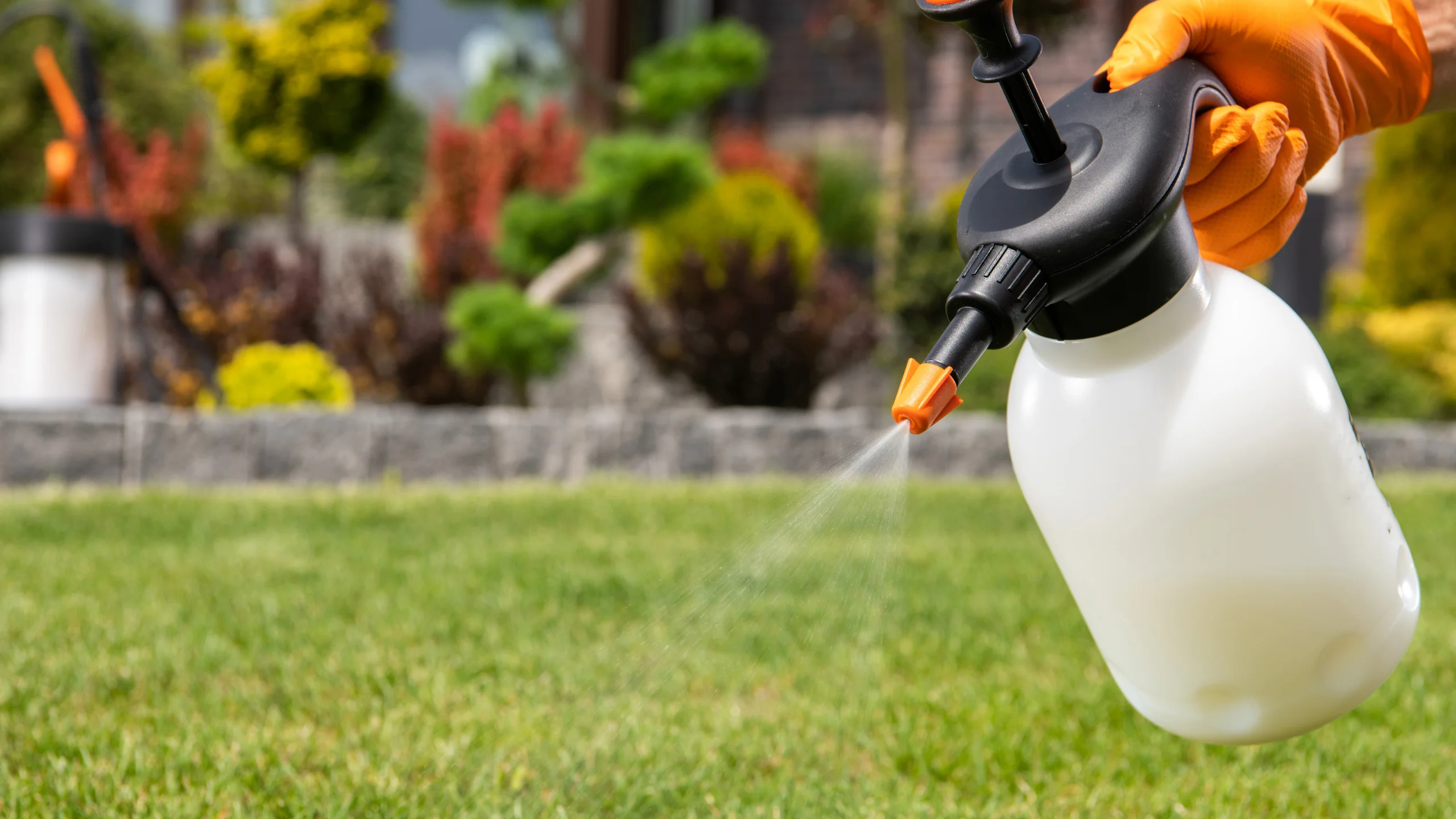
If you’d rather not DIY, there are commercial repellents specifically made for groundhogs. These usually contain ingredients like putrescent egg solids, garlic oil, capsaicin, and essential oils. They often come in granule or spray form, and you’ll want to apply them generously, especially after rain.
The key with any scent-based solution is consistency. Groundhogs will return if the smell wears off. I always tell people to treat it like any other maintenance task, reapply every few days, especially after watering or rainfall. Some repellents claim to last up to 30 days, but honestly, in my experience, it’s best to refresh every 5–7 days for the best result.
Where and How to Apply
Apply repellents in a wide perimeter around your garden. If you know where their burrow entrances are, concentrate the scent there too. Don’t put anything directly on edible parts of your crops, especially with homemade spicy sprays, as that can irritate skin or ruin taste. Focus on the soil, mulch, or fencing instead.
I’ve seen people just spray the fence and walk away, but that’s not enough. Cover all four sides of your garden and keep an eye out for new entry paths. Groundhogs are persistent, and if one route gets blocked, they’ll test another.
Keep Switching Things Up
One last thing, groundhogs are smart. If you only use one scent for weeks, they might get used to it. Rotate between strong smells like garlic, mint, vinegar, and commercial mixes to keep them guessing. Think of it like changing your password every few weeks. It just makes your garden that much harder to crack.
By taking advantage of what their noses hate, you’re building an invisible wall that’s just as important as any physical barrier. It takes some trial and error, but once you find what works in your garden, it becomes a simple routine. A couple of minutes of spraying or sprinkling can save you a whole season’s harvest.
3. Change the Environment So Groundhogs Don’t Feel Welcome
Groundhogs love safe, quiet places to hide. If your garden or yard has thick bushes, tall grass, piles of wood, or even a shed they can dig under, you’re basically rolling out the welcome mat. One of the easiest and cheapest ways to deter them is to change the surroundings so they no longer feel secure.
Clean Up Hiding Spots
- Cut back tall weeds and grass along fences, sheds, and garden beds.
- Remove piles of wood, old furniture, or anything that gives cover.
- Seal off gaps under decks, sheds, or porches with wire mesh.
- If you have a compost pile, make sure it’s in a closed container; they love the smell.
When I started clearing the overgrown side of my backyard, I found three old burrow entrances right behind a woodpile I hadn’t touched in months. Once that area was cleared and fenced, they didn’t come back.
Use Motion and Sound to Keep Them Nervous
Groundhogs are skittish. If they sense movement or sound, they’ll usually run. You can use that to your advantage by adding a few simple elements to your garden:
- Motion-activated sprinklers: these shoot water when movement is detected.
- Wind chimes or aluminum pie pans hung on strings.
- Portable radios left on low volume (talk stations work best).
- Pinwheels or spinning garden decorations.
The goal is to keep the space unpredictable, so the groundhog doesn’t feel safe enough to settle in.
Block Off Burrows
If you’ve found burrow holes (usually about 10–12 inches wide), wait until you’re sure the animal is out, then seal it. Use gravel, soil, and a layer of wire mesh bent outward underground. Never trap them inside, especially if babies may be present.
Here’s a quick comparison of what groundhogs like vs. what drives them away:
| Groundhog Likes | What to Do Instead |
| Tall grass and thick brush | Keep areas trimmed low |
| Quiet, hidden burrow spots | Add motion, sound, or fencing |
| Food scraps and compost smell | Use sealed bins |
| Covered crawlspaces | Seal with mesh or hardware cloth |
Cleaning up may seem basic, but it works. It turns your yard from a cozy hideout into a noisy, exposed space that groundhogs just won’t tolerate.
4. Try Humane Traps (Only If You Really Need To)
Sometimes, even after setting up fences, using repellents, and cleaning up the yard, that one stubborn groundhog just won’t leave. In these cases, humane trapping can be a last resort, but it’s not something to rush into without understanding how to do it properly and safely.
Choose the Right Trap
- Use a live animal trap that’s at least 32 inches long and 12 inches high. Groundhogs are bulky animals and need enough space.
- Place the trap near the burrow or along their usual path between the garden and their hole.
- Bait it with food they love, cantaloupe, peaches, or lettuce work well. Sweet, juicy fruits tend to attract them best.
- Make sure the bait is placed at the far end of the trap, behind the trigger plate, so they have to fully enter to set it off.
When and How to Set the Trap
- Set traps in the early morning or late afternoon, when groundhogs are most active.
- Use gloves to avoid transferring your scent. If they smell humans, they might not go near it.
- Check the trap every few hours. Leaving a trapped animal too long can stress it or even lead to injury.
Trapping may seem simple, but it needs to be done with care. You don’t want to accidentally trap another animal like a skunk or raccoon, so always monitor closely.
What to Do After Trapping
- Once trapped, cover the trap with a towel to help calm the animal.
- Release the groundhog at least 5–10 miles away from your property in a safe, wooded area if local laws allow it.
- Always check local wildlife laws before trapping or relocating. In some areas, it may be illegal or require a permit.
Trapping isn’t something I recommend unless all else fails. It takes patience, and honestly, it can be stressful for both you and the animal. But in some rare situations, like when a groundhog has built a deep burrow under your shed or is damaging your home’s foundation, it can be the only option left.
Always aim for the most humane approach possible, and use traps as a backup plan, not your first line of defense.
5. Rotate Plants and Use Natural Repellent Plants
Most people don’t realize that the plants you choose, and how you arrange them, can play a huge role in whether groundhogs see your garden as a buffet or a no-go zone. These animals are picky eaters in some ways, but very determined when they find what they like. By being a little strategic with your planting, you can make your garden less appealing without giving up your favorite crops.
Plants Groundhogs Usually Avoid
There are certain plants groundhogs naturally dislike due to their strong smell or taste. Herbs like oregano, sage, mint, and lavender are at the top of the list. Flowers such as marigolds and snapdragons also tend to repel them. These plants don’t just make your garden smell great; they act like natural bodyguards for your veggies. You can plant them along the borders or even between rows of more vulnerable crops like lettuce, beans, or cucumbers.
I’ve had great luck planting strong-scented herbs around the edges of my raised beds. One summer, I added rows of basil, thyme, and marigolds, and I noticed a big drop in groundhog visits compared to previous seasons. They seem to really dislike the overpowering scents, and it gives your garden some built-in protection.
Keep Things Moving
Groundhogs are creatures of habit. If they find a reliable source of food in one area, they’ll keep coming back. That’s why crop rotation helps. By moving your favorite vegetables to different spots each season, you confuse their expectations. They’ll return looking for that lettuce they nibbled on last spring, only to find oregano or hot peppers in its place.
It’s not just about fooling them; it also improves soil health and reduces pest buildup over time. You don’t have to make dramatic changes every season. Even shifting a few beds around can break up patterns and make your garden feel unpredictable to a hungry groundhog.
Combine Plants with Other Methods
Natural repellent plants work best when combined with scent sprays, fencing, and cleanup. Think of them as part of a bigger system, not a magic fix on their own. But when used well, these plants do more than just keep groundhogs out. They attract pollinators, improve soil, and add beauty to your space, all while quietly guarding your harvest.
6. Stay Consistent and Keep Watch
One of the most common reasons groundhog control efforts fail is that people stop too soon. You might put up a fence or spray some repellent and think the problem is solved, but groundhogs are stubborn. They’ll wait you out if you let them.
That’s why consistency matters more than any one method. Whether you’re using garlic sprays, motion sprinklers, or just checking for burrows, staying on top of things week after week is what really works. Make it part of your routine. Walk your garden a couple of times a week, look for signs of digging, and refresh repellents when needed.
These animals are smart and patient, but they’re also creatures of habit. If your garden becomes a place that’s unpredictable and uncomfortable for them, they’ll move on. But only if you stay a step ahead.
7. Don’t Use Poison or Harmful Methods
It’s tempting to go for something quick and final when you’re frustrated, but using poison or harmful traps is dangerous and often illegal. Not only does it risk harming other animals or pets, but it also goes against safe gardening practices, especially if you grow food.
Poisons can leach into the soil or be eaten by other wildlife. Plus, if a poisoned groundhog dies in its burrow, it creates a whole new problem with smell and cleanup. Lethal traps are not only cruel but often ineffective, especially if you catch the wrong animal.
The goal should always be to keep your garden safe and peaceful, without causing suffering or bigger problems. That’s why humane methods, while they take more patience, are the better path. You’ll feel better knowing you handled it the right way, and you’ll protect the balance of your garden in the process.
Now, let’s go through some common questions people have when dealing with groundhogs.
Final Thoughts
Keeping groundhogs out of your garden takes a little effort, but it’s absolutely doable. The key is using multiple strategies together: good fencing, strong scents, garden cleanup, and a little patience. It’s not about chasing them off once, but making your garden a place they simply don’t want to return to.
I’ve seen firsthand how even small changes like burying fencing or planting mint can make a big difference. Stick with it, stay consistent, and your garden will stay safe and thriving.
Need Help with Groundhogs in Cleveland, TX?
If the groundhogs just won’t quit or you’d rather let the pros handle it, DNG Amigos is here for you. They offer safe, humane wildlife removal services right in Cleveland, TX, and surrounding areas. Whether it’s groundhogs, raccoons, or anything in between, they’ve got the tools and know-how to protect your garden and property. Reach out today and get peace of mind.
FAQs About Keeping Groundhogs Out of the Garden
-
What smells do groundhogs hate the most?
Groundhogs strongly dislike the smells of garlic, cayenne pepper, ammonia, vinegar, and predator urine (like fox or coyote). You can use these scents around garden borders, burrow holes, or on fencing to keep them away.
-
Will groundhogs climb or dig under fences?
Yes, they’re excellent diggers and decent climbers. That’s why fencing must be buried at least 12 inches underground and bent outward. Bending the top of the fence outward also helps prevent them from climbing over.
-
Are there plants that naturally repel groundhogs?
Yes, plants like oregano, sage, mint, lavender, and marigolds are known to deter groundhogs due to their strong scent and taste. Planting them around the border of your garden can help discourage visits.
-
Is it safe to trap and relocate groundhogs?
It depends on where you live. In many places, it’s legal to trap and relocate as long as it’s done humanely and the animal is released far enough away (usually 5–10 miles). However, always check your local wildlife laws before doing so.
-
How do I know if a groundhog has made a burrow in my yard?
Look for large holes (10–12 inches wide) with fresh dirt piled around them. You might also see worn paths in the grass, chewed plants, or signs of digging under structures like sheds or porches.
