
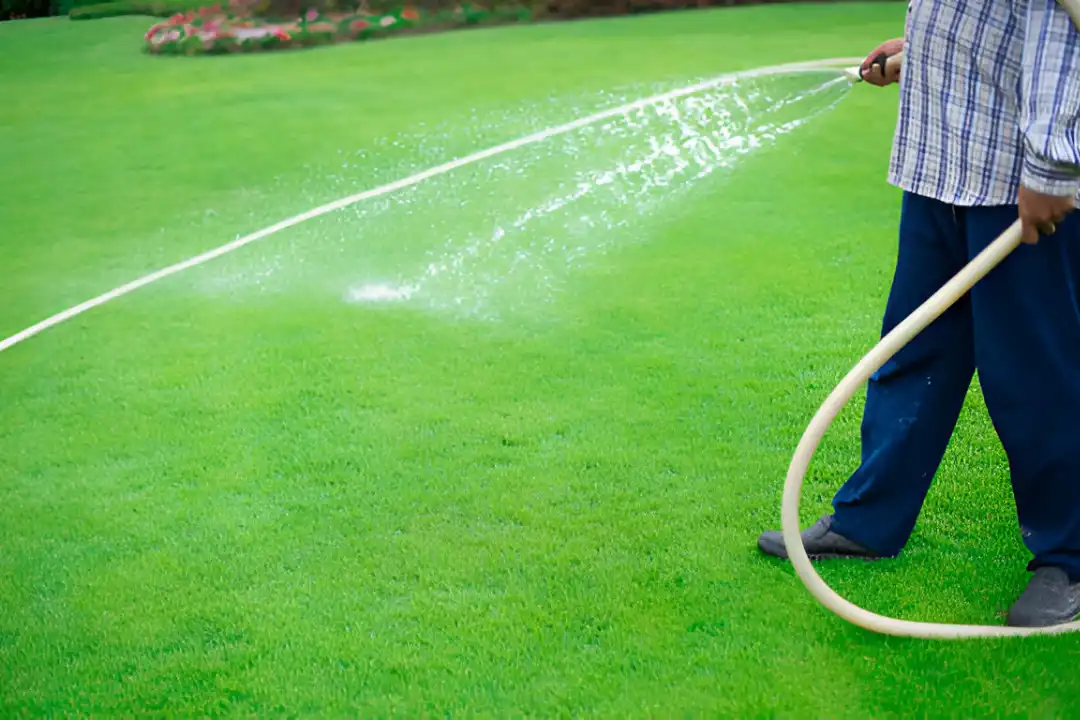
Have you ever stared at your browning lawn and wondered if you’re watering too much—or not enough? You’re not alone. Lawn care can feel like guesswork, especially when the weather shifts and soil types vary. But with the right watering routine, your grass can thrive season after season.
How Often Should You Water Your Lawn?
Understanding Lawn Watering Needs
To water a lawn correctly, it’s important to understand how grass grows and how water moves through soil. Most lawns thrive when watered deeply but infrequently. This encourages roots to grow downward, where soil moisture lasts longer. Shallow, daily watering does the opposite, it trains roots to stay near the surface, making your lawn more vulnerable to heat, drought, and disease.
Different types of grass have different watering needs. Warm-season grasses like Bermuda, St. Augustine, and Zoysia are drought-tolerant but still need consistent moisture during the peak growing season. Soil type plays a big role, too. Sandy soils drain quickly and may require more frequent watering in shorter bursts, while clay soils retain moisture longer but can compact and resist absorption if overwatered.
I learned this the hard way one summer when I moved into a house with a patchy lawn and a sprinkler system set to run daily for 10 minutes. It looked like I was doing everything right—until brown spots spread faster than green ones. A local turf specialist pointed out that I was barely reaching 1 inch of water per week, and most of it was evaporating before it even soaked in. Once I switched to watering less often but for longer durations, the difference was dramatic. The lawn thickened, and the color improved within two weeks.
The key is not just when you water, but how the water penetrates your soil and nourishes the roots. Whether you’re using sprinklers, soaker hoses, or irrigation systems, understanding your soil and grass type is foundational to setting the right schedule.
Watering Frequency Based on Grass Type
Not all grass is created equal. Your lawn’s watering needs will vary significantly depending on the grass species. While general rules apply, tailoring your schedule to your grass type ensures healthier turf and better water efficiency.
St. Augustine Grass
This popular warm-season grass thrives in hot, humid climates and prefers consistent moisture. Newly planted St. Augustine requires frequent watering—around 30 minutes every other day for the first few weeks to help roots establish. Once established, it performs best with about 1 inch of water per week, divided into two or three deep sessions. Be cautious with overwatering; St. Augustine is susceptible to fungal issues when kept too wet.
Bermuda Grass
Bermuda is highly drought-resistant, but that doesn’t mean it thrives on neglect. It prefers 1 to 1.25 inches of water per week during active growing seasons. If planted in sandy soil, it may need half an inch every 3 days due to quick drainage. Deep watering once or twice a week typically encourages deeper roots, helping the grass withstand hotter days.
Bermuda also recovers quickly from dry spells, so it’s a great choice for those looking to conserve water. Just make sure the water reaches a 6-inch depth, which promotes strong root development.
Zoysia Grass
Zoysia is a dense, carpet-like grass that tolerates some drought but prefers ½ to 1 inch of water weekly. It grows slower than Bermuda but is less thirsty than St. Augustine. Its compact root system means water should be applied more gradually. Two moderate waterings per week—especially in the morning—can help maintain its lush appearance.
Zoysia also benefits from alternating deep watering with light rain, making it ideal for regions with irregular precipitation.
How to Adjust Based on Lawn Conditions
Even within the same species, watering frequency should be adjusted for slope, shade, and soil type. A shady patch will retain moisture longer than a sun-drenched corner. Sloped areas may need shorter, repeated watering cycles to avoid runoff.
No matter your grass type, always monitor for stress signals like curling leaves, slow growth, or footprints that remain visible. These signs often tell you when it’s time to water—even better than a timer.
How Much Water Does Your Lawn Really Need?
The general rule of thumb for a healthy lawn is 1 to 1.5 inches of water per week, whether it comes from rainfall, sprinklers, or a combination of both. According to the Environmental Protection Agency (EPA), a healthy lawn typically needs about one inch of water per week, including rainfall, with that amount varying based on local weather and grass type. This amount is enough to moisten the soil down to 6 inches deep, which is the typical depth of most grass root systems.
The general rule of thumb for a healthy lawn is 1 to 1.5 inches of water per week, whether it comes from rainfall, sprinklers, or a combination of both. According to the EPA, a healthy lawn typically needs about one inch of water per week, including rainfall, with that amount varying based on local weather and grass type. This amount is enough to moisten the soil down to 6 inches deep, which is the typical depth of most grass root systems.
A rain gauge can help track natural precipitation so you only irrigate when needed, preventing overwatering and water waste.
Why does this matter? Deep watering encourages roots to grow deeper into the soil, making your lawn more resilient during heat waves or dry spells. On the other hand, light, frequent watering only wets the surface and leads to weak, shallow roots.
How to Measure Water Accurately
To get precise with your watering, you need to know how much water your sprinkler or irrigation system is delivering. A simple way to measure is using a tuna can or any shallow, flat container:
- Place 3–5 cans across your lawn.
- Run your sprinkler for 15 minutes.
- Measure the average depth of water in the cans using a ruler.
If you collected about ½ inch, then you know your system delivers ½ inch every 15 minutes. That means you’ll need a 30-minute session to hit the 1-inch target. Do this once or twice a week rather than short daily spurts.
Adjusting for Weather and Soil
During cooler months or rainy periods, your lawn may need less water, or none at all. Use a rain gauge or check local weather data before watering. For clay-heavy soils, water more slowly to avoid runoff. For sandy soils, water more frequently but for shorter periods to compensate for quick drainage.
Ultimately, the goal is to match water output to the lawn’s absorption rate while hitting the weekly volume benchmark. It’s a balance of timing, measurement, and observation.
Seasonal Watering Guide for Lawns
Lawn watering isn’t a “set-it-and-forget-it” task. As the seasons shift, so do your lawn’s hydration needs. Watering the same way year-round can lead to problems like overwatering, shallow root systems, or wasted resources. A seasonal approach ensures your lawn stays healthy while using water wisely.
Spring: Ramp Up Gradually
In early spring, as temperatures rise and your grass exits dormancy, watering should resume slowly. Begin by checking soil moisture—if it’s still holding water from winter rains, wait a bit. Once the grass starts actively growing, apply about 1 inch per week, ideally in two deep sessions.
Increased daylight and mild temps make spring the perfect time to develop deep roots without the stress of summer heat. Also, this is a great time to aerate or apply compost, both of which improve water absorption.
Summer: Increase Frequency, Not Volume
During peak summer, lawns need the most attention. Hot, dry conditions cause more evaporation, and your grass will use more water to stay green and healthy. Continue targeting 1 to 1.5 inches per week, but split it into 2–3 watering sessions to avoid runoff and make sure the water penetrates deeply.
Early morning watering, between 4 a.m. and 9 a.m., is crucial. Watering midday leads to rapid evaporation, and evening watering increases the risk of disease due to prolonged leaf moisture.
In areas with frequent heat waves or poor soil drainage, consider using soil moisture sensors to prevent both over- and under-watering.
Fall: Taper Off Strategically
As temperatures drop and rainfall increases, your grass will naturally require less water. Reduce watering frequency gradually, especially as the grass growth slows. By mid to late fall, many warm-season grasses begin entering dormancy, at which point supplemental watering may not be needed at all unless there’s an extended dry spell.
Continue to monitor for signs of drought stress, such as discolored patches or lingering footprints, but don’t assume the lawn needs watering just because it’s not actively growing.
Winter: Mostly Dormant, Minimal Watering
In colder regions or for warm-season grasses, lawns go dormant in winter and stop growing. If there’s no rainfall for 2–3 weeks, and the ground isn’t frozen, give your lawn a light watering to maintain root hydration. This helps prevent root desiccation during dry, windy conditions.
Avoid watering before expected freezes to prevent ice damage to turf and irrigation systems.
Seasonal Lawn Watering Overview
| Season | Watering Frequency | Notes |
| Spring | 1 inch/week, 2 sessions | Gradual reintroduction; optimize root depth |
| Summer | 1–1.5 inches/week, 2–3 sessions | Early morning, watch for drought stress |
| Fall | 0.5–1 inch/week, tapering | Reduce as growth slows; monitor rainfall |
| Winter | Rare, only if dry >2 weeks | Dormant lawns need minimal moisture |
Signs Your Lawn Needs Water
Understanding when to water your lawn is just as important as knowing how much. While many people rely on timers or preset irrigation schedules, the most reliable guide is your lawn itself. Grass offers clear visual and physical signs when it begins to suffer from drought stress.
1. Color Changes
Healthy grass typically has a vibrant green hue. When moisture levels drop, grass blades start to lose their color, shifting to a dull bluish-green or grayish tone. This color change is one of the earliest indicators that your lawn is thirsty.
Pro tip: Look across your lawn in the early evening—fading areas will stand out more clearly when the sun isn’t directly overhead.
2. Footprint Test
Walk across a patch of your lawn and observe how the grass responds. In well-hydrated lawns, the blades will spring back up quickly. If the footprints remain visible, the grass is too dry and lacks the internal water pressure (turgor) needed to bounce back.
This is one of the simplest and most accurate ways to tell if it’s time to water.
3. Folded or Rolled Grass Blades
To reduce water loss through evaporation, grass blades will begin to fold lengthwise or roll inward during dry spells. This self-protective mechanism is another key visual cue that your lawn needs moisture.
St. Augustine, Bermuda, and Zoysia all exhibit this behavior, although the severity and timing may vary based on the species.
4. Slow Growth or Bare Patches
A dry lawn will grow more slowly, if at all. You may notice thinning in high-traffic zones or spots where your sprinkler coverage is inconsistent. These areas often appear patchy or straw-colored and are usually the first to show stress.
If your mower is picking up very little clippings during regular trims, it may be because the lawn has slowed its growth due to a lack of water.
5. Soil Dryness
Stick a screwdriver or soil probe into your lawn. If it’s hard to push down more than a few inches, your soil is likely dry and compacted. Well-hydrated soil should allow tools to penetrate easily.
Alternatively, dig a small hole about 6 inches deep and feel the soil. If it’s bone dry or powdery at root level, watering is overdue.
Recognizing these signs helps you water only when necessary, supporting healthy root systems and reducing water waste. Next time you’re unsure, step outside and let your lawn do the talking.
Tips to Improve Watering Efficiency
Maximizing the effectiveness of your lawn watering routine saves time, conserves water, and supports healthier turf. Use these expert-backed tips to get the most out of every drop:
Water Early in the Morning
Aim for watering between 4 a.m. and 9 a.m. when temperatures are cooler and winds are calm. This reduces evaporation and gives water time to soak deep into the soil.
Avoid Evening Watering
Watering after 6 p.m. increases the chance of fungal diseases because the grass stays wet overnight. Always prioritize drying time before sunset.
Use Cycle-and-Soak Technique
Instead of watering for 30 minutes straight, split the session into two 15-minute cycles with a 30-minute break in between. This prevents runoff, especially useful for sloped or compacted lawns.
Audit Your Sprinkler System
Check for broken heads, misaligned nozzles, or uneven coverage. Sprinklers that spray sidewalks or overlap zones waste water and create dry spots.
Adjust for Soil Type
-
Clay soils: Water slowly and less frequently to avoid runoff.
-
Sandy soils: Apply shorter, more frequent bursts as they drain quickly.
Incorporate Smart Technology
Use smart timers, soil moisture sensors, or EPA WaterSense-certified irrigation controllers that automatically adjust based on local rainfall and weather conditions.
Aerate Annually
Aeration reduces compaction and improves water penetration. For high-traffic lawns or heavy clay soil, it’s essential to allow water to reach the root zone.
Top-Dress with Compost
Organic compost improves soil structure and increases moisture retention, especially useful for sandy or nutrient-poor soils.
Group Zones by Lawn Needs
Set up sprinkler zones based on sun exposure, slope, and soil type so that each area gets the right amount of water without overdoing others.
Use Mulch Around Borders
Mulching flower beds and lawn edges reduces evaporation and creates a moisture buffer for surrounding turfgrass.
These strategies help minimize water waste while ensuring your lawn gets exactly what it needs to thrive.
Need Help Watering Your Lawn the Right Way?
If you’re in Cleveland, TX, and want a lush, healthy lawn without the guesswork, let the professionals at DNG Amigos take care of it for you. From deep watering strategies to tailored seasonal care, we’ll ensure your grass thrives year-round.
Explore our lawn care services in Cleveland, T, X, and schedule a consultation today.
Final Thoughts
Watering your lawn isn’t just about keeping it green; it’s about nurturing healthy roots, conserving resources, and adapting to your local conditions. By understanding your grass type, adjusting for seasonal changes, and learning to recognize the signs of stress, you can create a watering routine that’s efficient and effective.
Don’t rely solely on guesswork or automated timers. Take a few minutes each week to inspect your lawn, test the soil, and tweak your approach as needed. With the right habits in place, a lush, resilient lawn is more than possible—it’s the natural result of watering smarter, not more often.
FAQs: Lawn Watering
What is the best time of day to water the lawn?
The best time to water is early morning, between 4 a.m. and 9 a.m. This allows water to soak into the soil before the sun and wind cause evaporation. Morning watering also helps prevent fungal diseases by allowing grass blades to dry quickly.
How do I know if I’m overwatering my lawn?
Signs of overwatering include a spongy feel underfoot, mushrooms or fungal growth, and yellowing blades. You may also notice increased weed growth and thatch buildup. If you’re watering and still seeing poor lawn health, it might be a drainage or compaction issue rather than a lack of water.
Can I water my lawn every day?
Daily watering is generally not recommended. It encourages shallow root systems, making your lawn more vulnerable to heat, drought, and disease. Instead, water deeply and less frequently, typically 2–3 times a week, depending on your grass type and weather conditions.
What if there are water restrictions in my area?
If water use is limited, prioritize watering during the early morning and apply water less frequently but deeply. Focus on high-priority areas, such as newly seeded patches or sunny, high-traffic zones. Consider alternatives like graywater systems or drought-tolerant grass species to reduce dependency on irrigation.
Do different sprinkler types affect watering needs?
Yes. Spray heads typically need 10–15 minutes per zone, while rotor heads require 25–35 minutes for the same coverage. Each delivers water at different rates, so it’s essential to match run times to the sprinkler type and your lawn’s needs.
