
A lush, green lawn doesn’t happen by accident, it’s all about timing. In Cleveland, TX, where warm-season grasses dominate and weather swings can be unpredictable, knowing exactly when to fertilize can make or break your lawn’s health. Whether you’re aiming for thick spring growth or strong fall roots, this guide will show you the perfect times to feed your lawn for optimal results.
When to Fertilize Lawn
Fertilizing your lawn during its active growth period is key to maintaining a healthy, vibrant yard. Cool-season grasses benefit most from applications in early spring and fall, while warm-season grasses flourish when fertilized in late spring through summer. Based on my experience in Cleveland, TX, applying fertilizer to cool-season lawns in March, May, and early fall yields great results. For warm-season grasses, feeding in April, May, and again in early fall, around September to October, keeps them strong and green. Proper timing ensures your lawn gets the nutrients it needs when it needs them most.
Best Times of Year to Fertilize Your Lawn in Texas
When it comes to lawn care, timing isn’t just important, it’s everything. In Texas, especially in places like Cleveland where warm-season grasses such as Bermuda and St. Augustine thrive, fertilizing at the right time ensures your lawn can handle both heat and occasional dry spells.
I learned this the hard way a few years ago. Eager to get a head start, I fertilized my lawn in early February. A late frost hit, and instead of a lush green carpet, I got patchy growth and yellow spots that lasted into summer. That mistake taught me the importance of aligning fertilization with the lawn’s natural growth cycle.
For best results in Cleveland, TX:
- Spring: Fertilize in late March to early April, after the last frost and once your grass starts greening up.
- Fall: Apply fertilizer in late September to mid-October to help roots grow deep and strong before winter.
These two windows align with your lawn’s active growing periods—giving it the nutrients it needs when it can actually use them.
Understanding Cleveland, TX Climate Zones for Lawn Care
Before you decide when and how to fertilize, it’s important to understand how Cleveland’s local climate affects your lawn’s needs. Located in USDA Hardiness Zone 8b, Cleveland experiences mild winters, hot summers, and a growing season that typically stretches from late February through November.
This long growing season is ideal for warm-season grasses like Bermuda, St. Augustine, and Zoysia. However, it also means your lawn might need more than just a once-a-year fertilizer application to stay green and healthy throughout the year.
Key climate characteristics that affect fertilization timing:
- Early warming: Grass may green up sooner than expected, but don’t rush fertilization—wait until consistent growth is visible.
- Late-season growth: With warm temperatures extending into fall, lawns often benefit from a late September or October feeding.
- Rain patterns: Sporadic rainfall in spring and fall can support fertilizer absorption, but be cautious during dry spells.
By matching your fertilization schedule with Cleveland’s climate rhythms, you give your lawn the best possible conditions to thrive—no guesswork required.
Types of Grass Commonly Grown
Most lawns are planted with warm-season grasses that thrive in full sun and can tolerate long, hot summers. Understanding the specific needs of your grass type is essential to applying the right fertilizer at the right time.
Here are the most common varieties found in local yards:
- Bermuda Grass: Fast-growing and drought-tolerant, Bermuda wakes up early in spring and benefits from a nitrogen-rich fertilizer as soon as it begins to green up. It also responds well to a second application in late summer or early fall.
- St. Augustine Grass: Popular for its dense, carpet-like growth and shade tolerance, St. Augustine requires slightly more maintenance. Fertilize it when nighttime temperatures are consistently above 65°F in spring and again before temperatures drop in fall.
- Zoysia Grass: Known for its fine texture and low water needs, Zoysia grows more slowly than Bermuda but still needs fertilizing twice a year, once in mid to late spring, and again in early fall.
Each grass type has a different growth pattern, but they all share this in common: timing fertilization around their peak growing season is key. Feeding them too early or too late can waste product, and effort.
| Season | Timing | Fertilization Tips |
|---|---|---|
| Spring | Late March to Early April | Apply slow-release nitrogen fertilizer once grass is actively growing and mowed at least once. Promotes lush, green growth and recovery from winter. |
| Summer | Optional – June to Early July | Fertilize only if lawn shows stress or thinning. Use a light, slow-release formula and water deeply to prevent burn. Skip if spring feeding was sufficient. |
| Fall | Late September to Mid-October | Most critical feeding. Use a balanced N-P-K fertilizer with lower nitrogen and higher potassium to strengthen roots and prepare for winter dormancy. |
Spring Lawn Fertilization: What to Know
Spring is a critical time for lawn care, but it’s easy to get it wrong if you act too early. In Cleveland, TX, lawns start emerging from dormancy in late March, but visible green-up doesn’t always mean it’s time to fertilize.
Here’s what to look for before applying fertilizer:
- Soil Temperature: Wait until soil temperatures consistently reach 55–60°F. This is when warm-season grasses begin active growth.
- Visual Growth: Your lawn should already have been mowed at least once, which signals it’s awake and ready for nutrients.
- Weather Stability: Avoid fertilizing just before a heavy storm or unexpected cold snap, which could wash nutrients away or shock new growth.
The ideal spring fertilizer is one that’s slow-release and high in nitrogen. This gives your lawn a strong start without forcing rapid, unsustainable growth.
If applied correctly, your lawn will respond with healthy green color, improved density, and natural weed suppression—all within a few weeks.
Fall Lawn Fertilization Tips for Long-Term Health
If spring fertilization gets all the attention, fall fertilization is the quiet hero. Applying fertilizer in late September to mid-October sets your lawn up not just for winter survival, but for a stronger comeback next spring.
By this time of year, warm-season grasses like Bermuda, St. Augustine, and Zoysia are beginning to slow down above ground, but their roots are still active. Fertilizing now feeds those roots, helping them grow deeper and store energy before dormancy.
Key fall fertilization tips:
- Use a balanced or low-nitrogen fertilizer with higher potassium content (the “K” in N-P-K) to boost disease resistance and cold hardiness.
- Apply after the last mowing of the season, but while the lawn is still green.
- Water thoroughly after fertilizing to help nutrients penetrate the soil and reach the root zone.
Neglecting fall fertilization often results in patchy growth, poor color retention, and a slow spring start. Investing in this final application builds a stronger root system and reduces the need for excessive feeding in early spring.
Choosing the Right Fertilizer for Lawns
Picking the right fertilizer isn’t just about grabbing the first bag off the shelf, it’s about matching your soil’s needs and your grass type with the correct nutrient blend. In Cleveland, TX, warm-season grasses thrive best when fed with targeted formulas designed for their active growth cycles.
Understand the N-P-K Ratio
All fertilizers are labeled with three numbers, for example, 16-4-8, which represent:
- Nitrogen (N): Promotes green, leafy growth
- Phosphorus (P): Supports strong root development
- Potassium (K): Enhances stress resistance and overall health
For most warm-season lawns in our region, a high-nitrogen, low-phosphorus fertilizer like 21-0-0 or 16-4-8 is ideal in spring. In fall, switch to something with lower nitrogen and more potassium, such as 10-0-20, to support root health over leaf growth.
Choose Slow-Release for Steady Growth
Slow-release fertilizers feed your lawn gradually, reducing the risk of burn and extending the nutrient supply over several weeks. This is especially useful in Cleveland’s unpredictable spring and summer conditions.
Check for Added Nutrients
Some products also include iron, sulfur, or micronutrients that can correct yellowing and improve color, especially in high-pH or compacted soils common in East Texas.
The right fertilizer saves time, prevents waste, and supports a healthier, more drought-tolerant lawn that thrives across seasons.
Signs Your Lawn Needs Fertilizer
Your lawn doesn’t have to be brown and bare to be undernourished. Often, the signs of a nutrient deficiency are subtle, but once you know what to look for, you can take action before the damage spreads.
1. Yellowing or Pale Green Color
One of the most common indicators of nitrogen deficiency. If your grass has lost its vibrant green hue, especially in patches, it’s likely hungry for nitrogen.
2. Slow or Uneven Growth
When your lawn seems to grow in some areas but not others, or it takes too long to recover after mowing, that’s often a sign it’s missing key nutrients—especially nitrogen and potassium.
3. Thinning or Bare Spots
While these can be caused by pests or foot traffic, nutrient-starved soil can also cause grass to thin out, leaving your lawn looking weak and uneven.
4. Increased Weed Invasion
Weeds thrive where grass is weak. If you’re noticing more weeds than usual, it may be because your lawn isn’t dense enough to compete due to a lack of fertilization.
5. Poor Drought Tolerance
If your grass browns quickly during dry weather, it may lack potassium, which helps lawns manage heat and water stress.
When you spot any of these issues, it’s time to act. A soil test can confirm what’s missing, and the right fertilizer can bring your lawn back to life in just a few weeks.
Liquid vs Granular Fertilizer: Which is Better?
Both liquid and granular fertilizers can help your lawn thrive—but knowing the difference between them can help you apply nutrients more efficiently and avoid costly mistakes.
Liquid Fertilizer
- Fast-acting: Nutrients are absorbed quickly through grass blades and soil.
- Great for spot treatment: Ideal if your lawn has specific problem areas or needs a quick green-up.
- More frequent applications: Typically needs to be reapplied every 2–4 weeks.
- Easy to overapply: Especially on hot days or with high-nitrogen mixes, which can cause burn.
Best for homeowners who want quick results or are maintaining smaller areas with visible nutrient deficiencies.
Granular Fertilizer
- Slow and steady: Designed to release nutrients over time, supporting long-term growth.
- Fewer applications: Generally applied every 6–8 weeks.
- Better for large areas: Spreads evenly using a broadcast spreader.
- Weather-dependent: Needs watering in after application to activate nutrients.
Best for consistent, season-long feeding—especially in larger yards or if you prefer a “set it and forget it” approach.
Which is better? In Cleveland’s climate, granular fertilizers are ideal for spring and fall feedings due to their extended nutrient release. Use liquid fertilizer as a supplement if you notice signs of stress between scheduled applications.
How Soil Testing Helps You Fertilize Smarter
Soil tests are critical for identifying pH imbalances and nutrient deficiencies. The Texas A&M Soil, Water and Forage Testing Lab offers detailed analysis for homeowners.
Fertilizing without a soil test is like prescribing medicine without a diagnosis. You might get lucky—or you might waste time, money, and nutrients. A simple soil test can reveal exactly what your Cleveland, TX lawn needs (and doesn’t need), so you can stop guessing and start growing smarter.
What a Soil Test Tells You:
- pH level: Most grasses thrive in a pH between 6.0 and 7.0. Too acidic or too alkaline, and your lawn can’t absorb nutrients efficiently.
- Nutrient levels: Measures nitrogen, phosphorus, potassium, and sometimes secondary nutrients like calcium, magnesium, or sulfur.
- Organic matter and soil texture: Indicates how well your soil retains moisture and supports microbial life—both important for fertilizer effectiveness.
How to Get One:
- You can purchase a DIY soil test kit from your local garden center or hardware store.
- For more precise results, send a soil sample to a nearby agricultural extension office or university lab. In Texas, the Texas A&M AgriLife Extension is a reliable option.
How It Helps:
- Prevents over-fertilizing or applying nutrients your lawn doesn’t need.
- Saves money by avoiding one-size-fits-all products.
- Guides you to the right fertilizer mix and ideal application schedule based on your actual soil profile.
With soil testing, you’re not just feeding your lawn—you’re feeding it right.
Common Lawn Fertilization Mistakes to Avoid
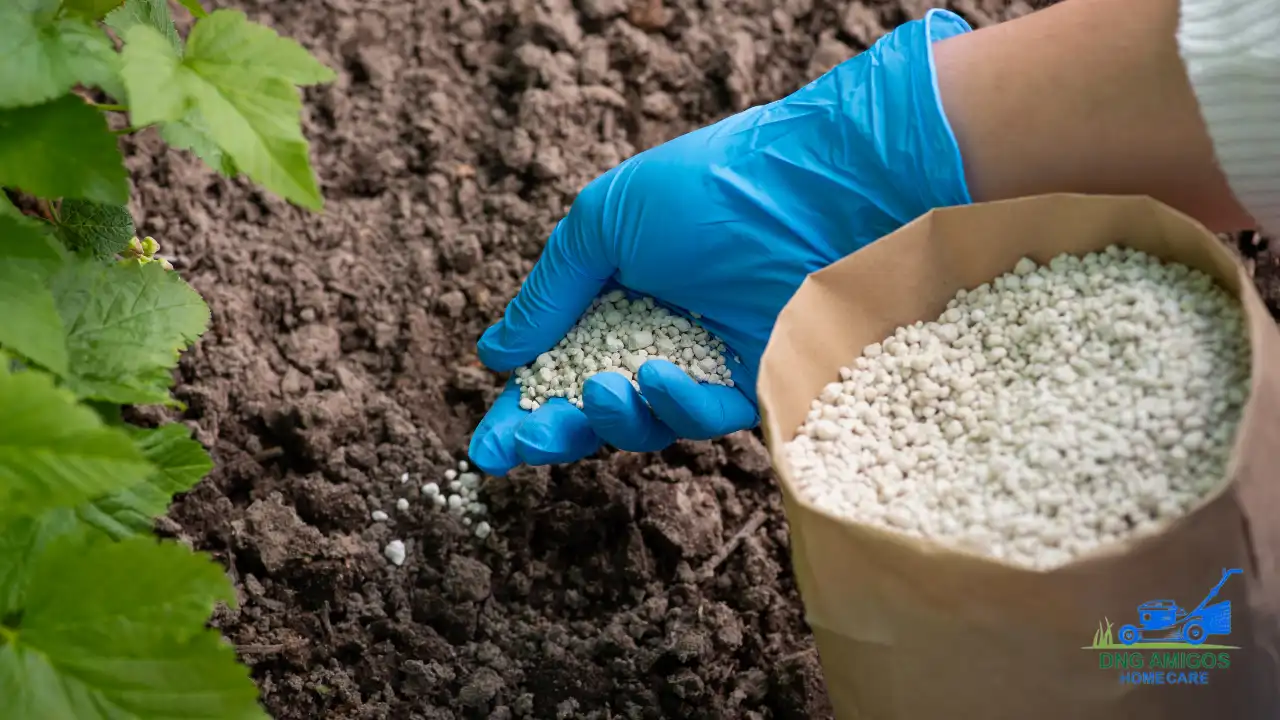
Even with the best intentions, lawn fertilization can go wrong—and fast. Whether it’s applying the wrong product, mistiming applications, or overdoing it, these errors can harm your grass more than help it. Here’s how to avoid the most frequent slip-ups.
1. Fertilizing Too Early in Spring
Spreading fertilizer before your lawn has fully “woken up” leads to wasted nutrients and weak root absorption. Wait until the grass is actively growing and soil temps are consistently above 55°F.
2. Over-Fertilizing
More isn’t always better. Overfeeding can lead to excessive growth, increased mowing, nutrient runoff, and even lawn burn—especially with quick-release nitrogen products.
3. Ignoring Weather Conditions
Applying fertilizer just before a heavy rain can wash away nutrients before they soak in. Likewise, applying during a dry spell without watering can leave granules sitting uselessly on the surface.
4. Using the Wrong Fertilizer
Not all fertilizers are created equal. Using a high-nitrogen mix in fall or a low-potassium blend in summer can throw off your lawn’s natural cycle and weaken its stress tolerance.
5. Skipping Soil Testing
Without understanding your soil’s pH and nutrient levels, you’re guessing at what your lawn needs. A soil test gives you a customized fertilization roadmap.
By steering clear of these common mistakes, you’ll save time, money, and effort—and your lawn will thank you with stronger roots, healthier growth, and vibrant color throughout the year.
Organic vs Synthetic Fertilizers for Home Lawns
When choosing how to feed your lawn, you’re not just picking a product—you’re picking a philosophy. Both organic and synthetic fertilizers can deliver results, but they work in very different ways. Knowing the difference can help you decide what’s best for your lawn, your soil, and even your lifestyle.
Organic Fertilizers
Made from natural materials like compost, bone meal, or manure, organic fertilizers feed your lawn slowly while also improving soil health.
Pros:
- Enrich soil structure and microbial life over time
- Less risk of burning your lawn
- Eco-friendly and safe for kids and pets
Cons:
- Slower results—takes time to break down
- Nutrient levels can vary between batches
- May require more frequent or higher-volume applications
Best for homeowners who want a long-term soil health strategy and are okay with a gradual improvement in grass growth and color.
Synthetic Fertilizers
Produced through chemical processes, synthetic fertilizers provide nutrients in concentrated, immediately available forms.
Pros:
- Fast results—greener grass in days
- More predictable nutrient content (clear N-P-K ratios)
- Easier to apply and widely available
Cons:
- Can damage grass if overapplied
- Doesn’t improve soil structure or microbial health
- Runoff risk during rain or overwatering
Best for those who want quick, visible results and don’t mind sticking to a strict schedule to maintain lawn performance.
Which one is right? In Cleveland’s climate, many homeowners use a hybrid approach: synthetic fertilizers for spring green-up, and organic feedings during fall or for maintenance. That way, you get the immediate impact with long-term soil benefits.
Final Tips for a Healthy Lawn Year-Round
A healthy lawn isn’t built in a day—it’s the result of consistent, well-timed care. In Cleveland, TX, where long growing seasons and variable weather shape your turf’s performance, a few smart habits can make a lasting difference.
Stay on Schedule
Mark your calendar for spring (March–April) and fall (September–October) fertilization. These are the anchor points for nutrient delivery.
Water Wisely
Water after fertilizing to help nutrients absorb. Avoid shallow, frequent watering—instead, aim for deep, infrequent soaking.
Mow Mindfully
Don’t scalp your lawn. Keep grass slightly longer during summer to promote shade and moisture retention.
Test Your Soil Annually
A soil test each year helps you track pH changes, nutrient levels, and adjust your fertilization plan accordingly.
Watch for Signs
Discoloration, thinning, or weed outbreaks often signal a nutrient deficiency or poor timing. Respond early and adjust.
Final Thoughts
Fertilizing your lawn in Cleveland, TX doesn’t have to be complicated—but it does have to be timely. By understanding your grass type, local climate, and soil conditions, you can make strategic decisions that result in greener, thicker, and healthier turf year-round. Whether you’re feeding for growth in spring or building strength in fall, the right approach makes all the difference.
Ready for a Lawn That Looks as Good as It Grows?
At DNG Amigos homecare we specialize in seasonal lawn care and fertilization services tailored for Cleveland, TX and surrounding areas. Whether you need spring green-up, fall root strengthening, or year-round lawn maintenance, our expert team has you covered. Explore Our Services and let us help you achieve a lawn you’ll love all year long.
Contact us today to schedule your customized lawn care plan.
FAQs
Can I fertilize before it rains?
A light rain can help activate granular fertilizer, but avoid fertilizing if heavy rain is forecasted—it can wash nutrients away before they absorb.
How long after mowing should I fertilize?
Wait at least 24-48 hours after mowing to apply fertilizer. This gives the grass time to recover and ensures the blades can absorb nutrients more effectively.
Can I use weed and feed with fertilizer?
Yes, but timing is critical. Only apply weed and feed products when weeds are actively growing (typically spring or early fall) and avoid using it on newly seeded or stressed lawns.
Do newly seeded lawns need fertilizer?
Absolutely. Use a starter fertilizer with high phosphorus to encourage strong root development, but apply it only after seed has made contact with moist soil and begun germination.
How often should I fertilize my lawn in Cleveland, TX?
For warm-season grasses, twice a year—once in spring and once in fall—is usually enough. Optionally, a light summer feeding can be added if the lawn shows signs of stress or thinning.
