Keeping a healthy, vibrant lawn in Cleveland, TX, isn’t just about appearances, it’s about protecting your investment, your property’s value, and even your family’s health. With our unique climate and common pests, regular mowing and maintenance can make the difference between a lush green yard and a patchy, pest-ridden mess.
Imagine pulling into your driveway and seeing a perfectly trimmed, vibrant lawn that neighbors envy — it all starts with knowing how often and why to mow.
How often should I schedule lawn mowing and maintenance?
In Cleveland, TX, you should mow your lawn once every 7–10 days during the growing season to encourage resilient root growth and prevent pest habitat. Maintenance tasks like fertilization, aeration, and leaf removal should follow a seasonal schedule for best results.
Why Regular Mowing Matters: Root, Shoot & Disease Control
Regular lawn mowing in Cleveland, TX, helps promote lateral growth, resulting in a denser, more vibrant lawn that naturally resists pests and weeds. Cutting the grass at the right height improves air circulation, reducing the risk of fungal diseases while distributing nutrients more evenly.
According to the University of California Integrated Pest Management Program, proper mowing height and frequency significantly reduce the likelihood of turfgrass diseases.
A neighbor once told me how skipping a few mows led to brown patches and a sudden grub infestation — a reminder that staying on schedule really pays off.
10 Benefits of Regular Lawn Mowing
Regular mowing offers far more than just curb appeal: it’s the foundation of a healthy, resilient lawn in Cleveland, TX. Let’s break down the key benefits:
- Encourages resilient root growth: Frequent mowing strengthens your grass’s root system, helping it withstand drought and heavy foot traffic.
- Promotes lateral growth: A well-mowed lawn fills in bare spots, creating a dense, vibrant lawn that naturally crowds out weeds.
- Distributes natural fertilizer: Those tiny grass clippings act as organic nutrients, feeding the soil and supporting healthy growth.
- Improves air circulation: Mowing prevents excess thatch, improving airflow and lowering the risk of fungal diseases.
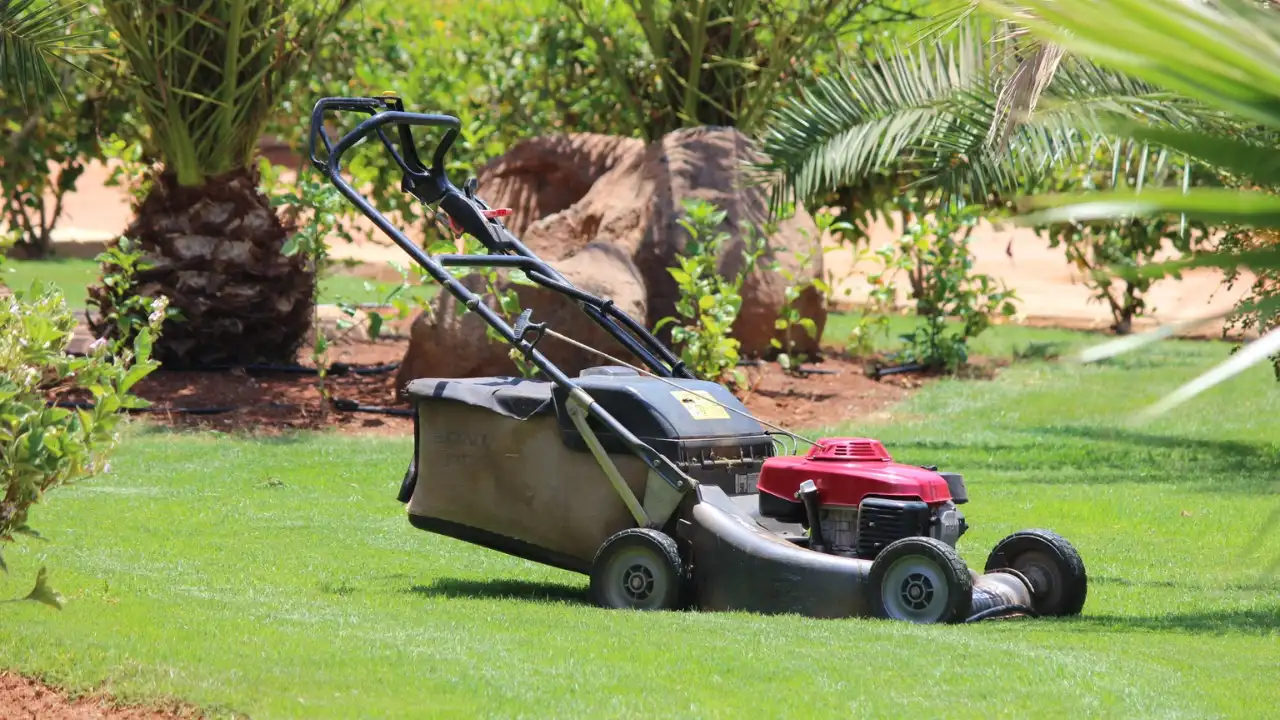
- Reduces pest habitats: Shorter grass deters pests like grubs, fleas, and ticks by limiting shelter.
- Enhances moisture retention: Consistent mowing allows even moisture balance, preventing over-dry or soggy spots.
- Boosts nutrient absorption: A uniform lawn absorbs fertilization and water more efficiently.
- Minimizes disease risk: Mowing at the correct height helps block the spread of common lawn diseases in our humid climate.
- Saves time and effort long-term: Regular care means fewer major interventions like aeration or overseeding.
- Increases property value: A neat, green yard makes a powerful first impression on visitors and potential buyers.
A quick personal story: A few years back, I helped a friend in Cleveland revive a neglected yard. We started a strict mowing routine, cutting every 7 days, and within a month, those brown patches filled in, the grubs disappeared, and the neighbors actually stopped to compliment the transformation. It was proof that small, consistent actions lead to big results.
Seasonal Mowing Strategies
Adapting your mowing routine to the season helps keep your lawn healthy year-round. In spring and summer, when grass growth is most vigorous, mowing every 7–10 days encourages even growth and helps prevent pest habitats. During fall, slower growth means mowing can often be reduced to every 2–3 weeks, while prioritizing leaf removal and occasional aeration to support soil health.
In winter, mowing is rarely needed, but giving the grass a final trim at the right height before dormancy helps protect the root system and prepares it for a strong comeback in spring.
Pest and Disease Prevention Through Proper Mowing
Consistent mowing plays a major role in reducing pest problems and preventing lawn diseases. Keeping grass at an appropriate height discourages pests like grubs, fleas, and ticks, which prefer tall, overgrown areas for shelter. Proper mowing also improves air circulation, which lowers the risk of fungal diseases and helps prevent conditions like brown patches and thinning grass.
When mowing, always use sharp blades to ensure clean cuts. Ragged edges can invite disease and weaken the root system over time.
Eco‑Friendly Lawn Care: Mulching, Water‑Saving & Organic Methods
Eco-friendly lawn care practices not only benefit your yard but also support the environment. One simple method is using a mulching mower, which finely chops grass clippings and returns them to the soil. These clippings act as a natural fertilizer, adding organic matter and nutrients that improve soil structure and reduce the need for synthetic products.
Water conservation is another important aspect. Mowing at the correct height helps with moisture retention, keeping the soil shaded, and reducing evaporation. Combining proper mowing with water-efficient irrigation techniques can significantly lower water usage while maintaining a lush, green lawn.
Incorporating organic fertilizers, composting, and overseeding with resilient grass varieties encourages biodiversity and creates a lawn that’s more tolerant of drought and pests. These practices support long-term soil health, reduce chemical runoff, and help with carbon sequestration, contributing to a healthier ecosystem.
Professional vs DIY: Cost, Tools & Expertise
Choosing between professional lawn care and a DIY approach depends on your budget, time, and desired results. Hiring a professional service offers the benefit of expert knowledge, access to commercial-grade equipment, and consistent schedules that help with pest management, disease prevention, and proper fertilization. Many services provide additional options like aeration, overseeding, and weed control as part of a comprehensive plan.
On the other hand, DIY lawn care can save money if you already own or are willing to invest in tools like a mulching mower, trimmers, and spreaders. However, it requires time, attention to seasonal needs, and a willingness to learn best practices for mowing height, frequency, and maintenance. DIYers should also budget for the cost of organic fertilizers or treatments to match the results of professional services.
Both options can be effective, but consistency and proper technique are key to a healthy, attractive lawn.
Local Grass Types and How They Impact Mowing
The type of grass in your lawn plays a big role in setting the right mowing schedule and height. Warm-season grasses like Bermudagrass, Zoysiagrass, and Centipedegrass tend to grow quickly in the warmer months and benefit from frequent mowing at lower heights to promote dense, even growth. These varieties often require mowing every 7–10 days during peak growing season to prevent scalping and to encourage lateral growth.
Cool-season grasses, such as fescue or ryegrass, grow most actively in spring and fall. These grasses do better when mowed at a higher height, which helps with moisture retention and reduces stress during heat or drought. Knowing your grass type ensures you’re setting your mower at the right height and mowing at the right frequency to support a healthy root system and minimize the risk of disease and pest infestations.
Beginner Tips: Mower Maintenance & Best Practices
Keeping your mower in good condition is just as important as how often you mow. Always use sharp blades to ensure clean cuts; dull blades tear grass, leaving ragged edges that invite disease. Check and sharpen blades regularly, and clean the underside of your mower deck to prevent buildup that can spread fungal diseases.
Adjust your mower height based on your grass type and season. Avoid cutting more than one-third of the grass blade at a time to reduce stress on the root system. It’s also a good idea to vary your mowing pattern each time to prevent soil compaction and promote more resilient root growth.
Proper mower maintenance and thoughtful mowing practices will not only extend the life of your equipment but also lead to a healthier, more attractive lawn.
Case Study: A Lawn Transformation
A homeowner I once worked with struggled for years with a patchy, pest-ridden lawn. The grass was sparse, brown patches spread every summer, and grubs had taken hold beneath the surface. They had tried quick fixes, but nothing lasted.
We implemented a plan focusing on regular mowing with a mulching mower, keeping the grass at an optimal height for moisture retention and pest prevention. Combined with seasonal aeration, targeted fertilization, and proper mower maintenance, the transformation was remarkable. Within two months, the lawn became thick, green, and resilient, with no sign of pests. Neighbors started asking for advice, amazed at the change consistent care could make.
This example shows that small, steady actions, done right, can completely change the health and look of a lawn.
Ready to Transform Your Lawn?
If you’re looking for reliable, professional lawn mowing and maintenance services, don’t wait to give your yard the care it deserves. Contact DNG Amigos today to schedule expert lawn care tailored for Cleveland, TX. Their team understands local grass types, seasonal needs, and the best techniques to keep your lawn healthy, green, and pest-free.
Final Thoughts
Regular lawn mowing and maintenance are the foundation of a healthy, attractive yard. Beyond aesthetics, consistent care helps strengthen the root system, prevent pest infestations, and reduce the risk of disease. Whether you choose to hire a professional or manage it yourself, the key is to stay consistent and tailor your approach to your lawn’s specific needs.
With the right mowing habits, attention to eco-friendly practices, and a bit of seasonal planning, any lawn can thrive and become a space you’re proud of. Small, steady efforts truly make all the difference.
Frequently Asked Questions
How short should I mow my lawn for best results?
Aim to cut no more than one-third of the grass blade’s height at a time. The ideal mowing height depends on your grass type, but most lawns thrive between 2.5 and 4 inches.
Can mowing too often damage my lawn?
Yes, mowing too frequently or too short can stress the grass and weaken the root system. It’s important to follow a balanced schedule that matches your grass type and growth rate.
Do I really need to leave grass clippings on the lawn?
Leaving grass clippings (mulching) helps return nutrients to the soil and reduces the need for added fertilization. As long as clippings are small and evenly distributed, they won’t cause buildup.
When is the best time of day to mow?
Mow in the late morning or early evening when the grass is dry. Mowing wet grass increases the risk of disease and can lead to uneven cuts.
Is professional lawn care worth it compared to DIY?
It depends on your time, budget, and desired results. Professionals bring expertise, high-quality equipment, and consistent care, while DIY offers more control and can save money if done correctly.
