
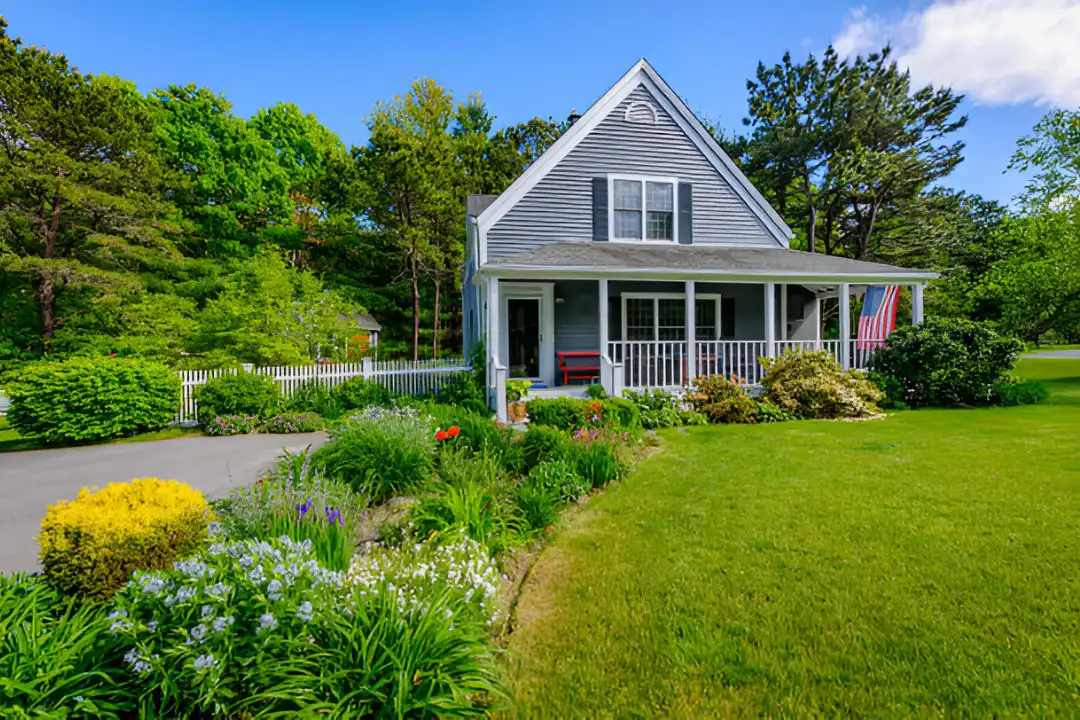
A well-designed garden doesn’t just happen by chance—it’s a thoughtful blend of nature, structure, and creativity. Landscaping transforms an outdoor space from a simple yard into a living, breathing extension of your home. With the right approach, you can create a garden that’s not only beautiful but also functional, easy to maintain, and enjoyable year-round.
How to Use Landscaping in Your Garden
Landscaping in your garden means arranging plants, pathways, and outdoor features in a way that blends beauty with function. Start by using native plants for low maintenance, add layered planting for depth, and balance greenery with hardscape elements like patios or pathways. Plan zones for relaxation, entertaining, and gardening, ensuring your design is both attractive and practical year-round.
Start with Native Plants for a Low-Maintenance Base
Why Native Plants Are a Smart Choice
Native plants are species that have evolved naturally in your region over centuries, adapting perfectly to the local climate, soil, and ecosystem. Because they’re already “in tune” with the environment, they require less water, fewer fertilizers, and minimal pest control. This not only saves you time and money but also supports local biodiversity, attracting pollinators like bees, butterflies, and birds.
How They Create a Low-Maintenance Landscape
A garden built on native plants tends to be more resilient. Their deep root systems help prevent soil erosion, improve water infiltration, and enhance drought tolerance. Planting densely with native species can also outcompete weeds naturally, reducing the need for constant weeding or herbicides.
A Layered Approach
When using native plants, think about layers—ground covers, mid-height shrubs, and taller trees or perennials. This structure mimics natural ecosystems, creating visual depth while ensuring that every layer of the garden serves a purpose, from soil protection to providing shade.
When I first switched my own garden to primarily native species, I was skeptical. My old design was lush but needy—every week felt like a race against weeds, pests, or watering schedules. After replacing half the beds with native wildflowers, ornamental grasses, and shrubs, I noticed something remarkable: the garden began to “run itself.” The plants filled in gaps, pollinators appeared in numbers I’d never seen before, and my watering can stayed in the shed for weeks at a time. That was the moment I realized low-maintenance didn’t mean less beauty—it meant smarter beauty.
Incorporating Xeriscaping for Water Efficiency
Understanding Xeriscaping Beyond the Basics
Xeriscaping is often misunderstood as a style that sacrifices greenery for rocks and desert plants. In reality, it’s a landscaping approach designed to conserve water while still delivering a lush, visually appealing space. At its core, xeriscaping focuses on selecting plants suited to your climate, designing with efficiency in mind, and using maintenance practices that minimize water waste. This approach is not about limitation—it’s about creating harmony between beauty and sustainability. The Environmental Protection Agency (EPA) estimates that xeriscaping can reduce outdoor water use by up to 50%
Evaluating Your Garden’s Water Needs
Before transforming your garden, it’s essential to understand how much water it currently consumes. Observe which areas dry out quickly, which spots retain moisture, and how your soil behaves after rainfall. This assessment helps you pinpoint problem zones and adapt them for better water use. For instance, sandy soil drains quickly and may require drought-tolerant plants with deeper roots, while clay-heavy areas retain moisture and suit species that prefer consistent dampness.
Choosing the Right Plants for Xeriscaping
The plant palette in a xeriscape is not restricted to cacti or succulents. Many perennials, ornamental grasses, shrubs, and even flowering plants thrive with minimal watering once established. Look for species that are drought-tolerant but also suited to your garden’s microclimates. For sunny spots, try plants that can handle prolonged exposure without wilting; for shadier corners, choose varieties that maintain vigor with less moisture. The key is grouping plants with similar water needs together, so irrigation can be targeted rather than spread across incompatible species.
Designing for Efficiency
Water efficiency in xeriscaping begins with smart design. Arrange your garden so that high-water-use plants, such as vegetables or moisture-loving ornamentals, are located closest to your water source. Medium- and low-water-use plants should be placed farther away. This zoning method reduces the amount of time and resources needed to keep your plants healthy. Curved bed lines can slow water runoff, while slightly raised berms or swales can direct rainwater to areas that benefit most.
Soil Improvement and Mulching
Healthy soil is the foundation of water-efficient gardening. Amending your soil with compost improves its structure, allowing it to hold moisture longer and provide better drainage where necessary. Mulching is equally important in xeriscaping. A two-to-three-inch layer of organic mulch insulates the soil, reduces evaporation, and suppresses weeds. Over time, as mulch breaks down, it enriches the soil further, making it easier for plants to access nutrients and water.
Irrigation Strategies That Work
While xeriscaping aims to reduce dependence on irrigation, it doesn’t eliminate it entirely. Drip irrigation systems or soaker hoses are excellent for delivering water directly to plant roots, where it’s most effective. This method reduces evaporation and prevents water from landing on foliage, which can lead to disease. Irrigation should be deep and infrequent, encouraging plants to develop strong root systems that tap into deeper soil moisture reserves.
Balancing Aesthetics and Sustainability
A well-planned xeriscape can look just as lush and vibrant as any traditionally watered garden. Incorporating a mix of textures, colors, and plant heights keeps the space dynamic. Ornamental grasses can sway in the wind, drought-tolerant flowering shrubs can add seasonal bursts of color, and evergreens can provide structure year-round. Hardscape elements such as gravel pathways, stone borders, or natural wood features can break up planting areas while enhancing the design’s cohesion.
Long-Term Benefits of Xeriscaping
Over time, a xeriscaped garden becomes more self-sufficient. Reduced water bills, fewer pests, and less maintenance are just some of the rewards. The soil becomes healthier, plants grow stronger, and the overall ecosystem becomes more balanced. It’s an investment that pays off not only in reduced upkeep but also in a more resilient garden capable of thriving despite changing weather patterns.
Designing the Garden Layout with Purpose
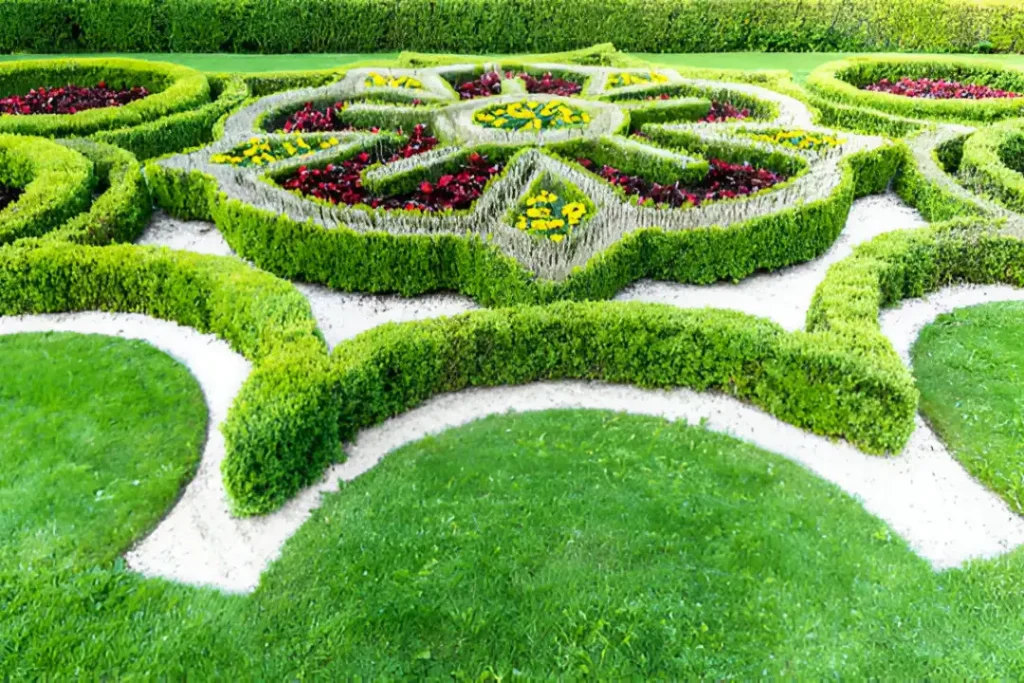
Creating Functional Garden “Rooms”
Breaking a garden into distinct areas helps you make the most of your space. Think of each section as a “room” with a specific purpose, whether it’s for relaxation, entertaining, or growing edibles. This structure ensures the garden feels intentional rather than random.
- Entertainment zone with a patio or deck for gatherings
- Quiet retreat with seating tucked among plants
- Productive area for vegetables, herbs, or fruit trees
Using Pathways to Guide Movement
Pathways are more than a way to get from one point to another—they set the tone for how people experience your garden. Materials, shapes, and widths all influence the mood.
- Curved paths encourage slow exploration
- Straight lines give a formal, organized feel
- Stepping stones or gravel add texture and sound underfoot
Integrating Natural and Man-Made Dividers
Dividers define areas while adding character. They can be purely functional or serve as focal points.
- Living borders with shrubs or hedges for privacy
- Pergolas or arches to frame entrances
- Low walls or fences for visual separation without blocking views
Achieving a Sense of Flow
The best garden layouts balance distinct zones with smooth transitions. Consistent materials, recurring plant species, and repeating colors help tie the whole space together.
- Repeating plant colors creates visual unity
- Matching paving materials keeps the design consistent
- Gradual height changes ease movement between zones
Designing for All Senses
A thoughtful garden engages more than just sight. Adding elements that appeal to touch, sound, and smell enriches the overall experience.
- Soft foliage or grasses for tactile interest
- Water features for soothing sound
- Fragrant plants like lavender or jasmine for scent appeal
Balancing Hardscape and Green Space
Understanding the Hardscape-to-Green Ratio
A visually pleasing and functional garden depends on the balance between living elements and constructed features. Hardscape refers to patios, walkways, walls, and other built structures, while green space encompasses plants, lawn areas, and natural features. Too much hardscape can make a garden feel sterile and uninviting, while excessive green space without structure can appear unorganized and harder to maintain. Striking the right ratio ensures both beauty and usability.
Choosing Hardscape Elements That Complement Plants
The best hardscape works in harmony with the surrounding greenery. Natural materials like stone, wood, and gravel often blend seamlessly into plant-rich spaces, while modern surfaces such as concrete or steel can create striking contrasts. Selecting materials that age gracefully and withstand your climate will prevent frequent replacements and keep the garden cohesive over time.
Designing for Comfort and Flow
Hardscape should guide movement through the garden while supporting key activities. Pathways should lead naturally from one area to another, and seating areas should feel inviting rather than obstructive. The placement of these elements should encourage people to explore the green space rather than dominate it. Open lawns, clusters of shrubs, or flowering beds can be framed by hardscape, creating natural focal points without overwhelming the plants.
Enhancing Function Without Sacrificing Softness
Practicality doesn’t mean giving up on a lush appearance. Permeable pavers, stepping stones surrounded by ground cover, and raised beds with built-in seating can add utility without reducing greenery. Incorporating planters into walls or along patios softens harder edges and visually integrates built structures into the landscape.
Maintaining the Balance Over Time
Gardens evolve, and so should the balance between hardscape and green areas. Trees grow larger, shrubs spread, and pathways can shift under natural forces. Periodic reassessment ensures the original design intention remains intact. Adding or removing hardscape elements may be necessary to keep the space functional, while regular pruning and replanting help green areas maintain their intended shape and scale.
Creating Visual Depth with Layered Planting
The Concept of Layering in Landscaping
Layered planting involves arranging plants in vertical “tiers” that mimic natural environments. This approach not only enhances visual appeal but also improves plant health by giving each species the right amount of sunlight, airflow, and space.
- Foreground layer: Low-growing ground covers and compact perennials
- Middle layer: Medium-height shrubs and flowering plants
- Background layer: Taller trees and large shrubs that create structure
Benefits of Layered Planting
A garden with visual depth feels more immersive and inviting. It guides the eye naturally from front to back, creating a sense of space even in small yards.
- Encourages biodiversity by providing habitats for different species
- Reduces weed growth by covering the soil at multiple heights
- Extends seasonal interest with blooms and foliage at different times
Selecting the Right Plants for Each Layer
Choosing plants that work together is key to successful layering. Height, spread, texture, and seasonal color should all be considered so the arrangement feels balanced. Repeating certain plants across layers can tie the design together.
| Layer | Plant Types | Key Features | Seasonal Impact |
| Foreground | Creeping thyme, sedum, and dwarf ornamental grasses | Low height, ground coverage | Spring–Summer |
| Middle | Hydrangeas, salvia, lavender | Color, texture, pollinator-friendly | Summer–Fall |
| Background | Japanese maple, ornamental pear, and evergreen shrubs | Height, structure, privacy | Year-round |
Tips for a Cohesive Layered Design
- Mind the scale so taller plants don’t overshadow smaller ones
- Stagger planting times to ensure ongoing seasonal interest
- Vary textures and foliage colors for depth without visual clutter
Essential Gardening Practices for Success
The Importance of Soil Preparation
Healthy soil is the foundation of a thriving garden. Before planting, it’s essential to assess the soil’s texture, pH level, and nutrient content. Amending the soil with organic matter such as compost or well-rotted manure improves structure, boosts fertility, and enhances water retention. Preparing the soil thoroughly before introducing plants sets the stage for stronger root development and better long-term growth.
Mastering Mulching Techniques
Mulch serves multiple purposes, from conserving moisture to suppressing weeds and regulating soil temperature. Organic mulches like shredded bark, straw, or leaf mold gradually break down and enrich the soil. The key is to apply mulch evenly, leaving a gap around plant stems or tree trunks to prevent rot. Refreshing the mulch layer annually helps maintain its effectiveness and keeps planting beds looking neat.
Pruning for Health and Shape
Pruning is more than just an aesthetic practice—it’s vital for plant health. Removing dead, damaged, or diseased branches improves airflow and reduces the risk of pests or fungal infections. Timing is important; some plants benefit from pruning during dormancy, while others thrive when trimmed after flowering. Regular shaping also keeps plants in proportion with the rest of the garden design.
Watering with Precision
Efficient watering supports plant health while conserving resources. Deep, infrequent watering encourages roots to grow downward, making plants more drought-tolerant. Watering early in the morning allows foliage to dry quickly, reducing disease risk. For maximum efficiency, focus on delivering water directly to the root zone using soaker hoses or drip irrigation systems.
Local Plant Recommendations
Selecting Plants That Thrive Naturally
The most successful gardens are built on plants that suit their environment without excessive intervention. This means choosing species adapted to your region’s typical sunlight, rainfall, and temperature patterns. Such plants establish faster, resist pests more effectively, and require less maintenance compared to those that need special care or protection.
Balancing Aesthetic and Practical Qualities
When selecting plants, think about both beauty and function. A well-planned mix of flowering plants, evergreens, ornamental grasses, and foliage plants creates visual interest year-round. Beyond looks, consider how each plant contributes to the garden—some may attract pollinators, others may provide shade, and certain species can even improve soil quality.
Ensuring Seasonal Variety
A garden that evolves throughout the year keeps the landscape dynamic. Choose plants with staggered bloom times so there’s always something of interest, whether it’s vibrant flowers in spring, lush greenery in summer, fiery foliage in autumn, or structural evergreens in winter. Mixing deciduous and evergreen varieties ensures that the garden never feels empty.
Building a Resilient Plant Palette
Diversity in plant selection helps the garden withstand environmental changes and challenges. Avoid over-relying on a single species, as this can make the garden more vulnerable to pests or disease outbreaks. Instead, create a balanced palette with a variety of forms, textures, and growth habits to ensure both beauty and durability over time.
Step-by-Step Garden Transformation Plan
Step 1: Assess the Existing Space
Begin by carefully observing your current garden. Identify areas with strong sunlight, deep shade, or partial exposure, as well as spots that tend to retain water or dry out quickly. Take note of soil quality, existing plants worth keeping, and any structural features like paths, patios, or fences. This initial assessment forms the foundation for an effective transformation because it reveals the strengths and weaknesses you’ll be working with.
Step 2: Define Your Garden’s Purpose
Every successful garden starts with a clear vision. Decide whether your focus is on relaxation, entertaining guests, growing edibles, or creating a wildlife-friendly habitat. This decision will guide plant selection, layout design, and the choice of hardscape elements. A garden designed without purpose often feels disjointed, while a space planned with intent flows naturally and supports the way you want to use it.
Step 3: Develop a Scaled Layout Plan
Once you know your goals, sketch a plan on paper or use garden design software to map out zones and features. Include pathways, seating areas, planting beds, and focal points. Position high-maintenance areas closer to the house for convenience, and place low-maintenance zones farther away. Your plan should also account for plant heights and seasonal changes to ensure year-round balance.
Step 4: Prepare the Site
Before planting, clear the garden of weeds, debris, and unhealthy vegetation. Improve soil conditions with compost or other amendments based on soil test results. If you’re adding hardscape features, such as patios or raised beds, complete these installations first to avoid damaging new plants later. Preparing the site thoroughly saves time and prevents setbacks during the planting phase.
Step 5: Install Hardscape Features
With the groundwork complete, start by installing structural elements like paths, retaining walls, edging, and water features. This stage defines the framework of your garden and creates the backbone for plantings. Use durable, climate-appropriate materials that complement the style you’ve envisioned.
Step 6: Plant in Layers
Begin with the largest plants, such as trees and tall shrubs, to establish structure. Then add mid-sized plants for bulk and texture, followed by ground covers or low-growing species to fill in gaps. Group plants with similar water and sunlight needs together for easier care and better growth. Layering in this sequence prevents smaller plants from being damaged during the installation of larger specimens.
Step 7: Mulch and Water Effectively
Apply a layer of organic mulch to retain soil moisture, suppress weeds, and regulate temperature. Water new plantings deeply to encourage strong root systems, and maintain a consistent watering schedule during the establishment period.
Step 8: Maintain and Adjust Over Time
Even a well-planned garden evolves. Monitor plant health, prune as necessary, and replace any species that underperform. As your plants mature, you may need to expand or reduce certain beds, adjust pathways, or introduce new varieties to keep the garden fresh and functional.
Maintaining a Sustainable Landscape Long-Term
Adopting a Low-Input Approach
A sustainable garden thrives with minimal outside inputs, meaning you rely less on constant watering, fertilizing, or chemical pest control. The foundation for this is selecting hardy plants that can adapt to your environment without excessive care. Once established, these plants require less water and are more resistant to pests and diseases, allowing you to enjoy the garden without constant intervention.
Watering Wisely Over the Years
Even the most drought-tolerant plants benefit from strategic watering. Instead of frequent, shallow watering, continue the habit of deep, infrequent irrigation to encourage strong root systems. Incorporating rain barrels or other water-harvesting systems can further reduce reliance on municipal water and ensure that your garden is sustained even during dry spells.
Building and Maintaining Soil Health
Healthy soil is an ongoing project, not a one-time task. Regularly add organic matter through composting or mulching to replenish nutrients and improve soil structure. Avoid excessive tilling, which can disrupt soil organisms, and instead focus on gentle cultivation methods that preserve the ecosystem beneath the surface. Healthy soil not only feeds your plants but also increases water retention and reduces erosion.
Managing Pests Naturally
Over time, a sustainable landscape should develop its own natural balance. Beneficial insects, birds, and other wildlife play a key role in controlling pests. Encouraging this balance means avoiding broad-spectrum pesticides that harm both harmful and beneficial species. Companion planting and crop rotation in edible gardens can also reduce pest pressure without the need for chemicals.
Keeping Plants in Their Best Shape
Regular maintenance ensures your landscape remains healthy and visually appealing. Pruning removes dead or diseased branches, encourages new growth, and maintains plant shape. Deadheading flowers can extend bloom periods, while dividing perennials every few years prevents overcrowding and maintains vigor. Staying consistent with these small tasks prevents larger issues from developing over time.
Adapting to Change
Sustainability also means flexibility. Weather patterns, plant performance, and personal needs can shift over time. A sustainable garden plan anticipates change by allowing for easy adjustments—whether that means swapping a plant species that no longer thrives, adding shade structures as trees mature, or redesigning certain areas for new uses.
Enjoying the Rewards of Longevity
A well-maintained, sustainable garden becomes more rewarding as the years go by. Plants grow stronger, the soil becomes richer, and the ecosystem becomes more self-sufficient. This maturity not only reduces the amount of work required but also deepens the beauty and complexity of the space. The result is a landscape that reflects patience, care, and respect for the natural cycles that sustain it.
Final Thoughts
Landscaping your garden is more than arranging plants and pathways—it’s about crafting an outdoor space that feels like a natural extension of your home. The most successful gardens blend beauty, function, and sustainability, creating a place you can enjoy in every season. By starting with smart plant choices, integrating efficient watering methods, balancing hardscape with greenery, and designing with purpose, you set the stage for long-term success. Remember that a garden is a living, evolving space; it will grow, change, and surprise you over the years. With consistent care and thoughtful adjustments, your landscape will become richer, more vibrant, and more rewarding as time goes on. Whether your goal is relaxation, productivity, or simply adding natural beauty to your surroundings, the principles of good landscaping will guide you toward a garden that thrives for years to come.
Ready to Transform Your Outdoor Space?
If you’re looking to bring your landscaping vision to life with expert design and care, the team at D & G Amigos Hardscaping & Construction is here to help. Serving homeowners with professional landscaping and hardscaping solutions, they combine craftsmanship with creativity to create spaces that are as functional as they are beautiful. Whether you want a complete garden makeover, a stunning patio, or sustainable planting solutions, their services cover every step of the process. Get started today and turn your outdoor area into a space you’ll love year-round.
Frequently Asked Questions
How do I start landscaping my garden if I’m a beginner?
Start small by focusing on one area at a time. Assess your space, choose easy-care plants, and introduce basic design elements like defined borders or a simple pathway. As you gain confidence, expand into more complex layouts and plant combinations.
What are the easiest plants to maintain in a garden?
Hardy perennials, ornamental grasses, and native plants are some of the easiest to maintain. They typically require less watering, are more resistant to pests, and adapt well to local conditions once established.
How often should I water my garden?
Water deeply but infrequently. Most plants benefit from one to two deep waterings per week, depending on weather and soil conditions. This encourages roots to grow deeper and makes plants more resilient.
Do I need professional help for landscaping?
Not always. Many homeowners successfully design and maintain their gardens themselves, especially with research and planning. However, professional input can be valuable for large projects, complex hardscaping, or soil and drainage challenges.
How can I make my garden more eco-friendly?
Use native plants, reduce chemical fertilizers and pesticides, collect rainwater for irrigation, and focus on building healthy soil. Choosing drought-tolerant species and incorporating wildlife-friendly features like birdbaths or pollinator plants also supports sustainability.
