

There’s something truly magical about stepping into a garden that feels like it belongs on the hillsides of Tuscany. The calm, the structure, the scent of herbs in the air, it’s like a mini escape from everyday life. I’ve helped friends and clients recreate that same charm right in their own backyards, and trust me, it’s easier than you think.
You don’t need a huge estate or a massive budget. All you need is a bit of planning, the right plants, and a few timeless elements that bring that old-world feeling to life. Let me walk you through how to turn your outdoor space into a slice of Italy.
How to Create an Italian Garden in Your Backyard
What is an Italian Garden?
An Italian garden is all about structure, symmetry, and simplicity. Unlike wild or tropical gardens, this style brings a calm, organized feel , like nature is dressed up for a special occasion. It uses clear lines, defined shapes, and timeless materials to create a space that feels both elegant and peaceful.
At the heart of an Italian garden is balance. You’ll often see symmetrical paths, trimmed hedges, and focal points like a statue or a small fountain. Everything feels purposeful, from the layout of plants to the placement of pots. Evergreens are a staple because they keep their shape year-round, giving the garden structure even in winter. Features like stone walls, gravel walkways, and terracotta planters pull the look together.
I remember helping my friend Maria design her backyard a few years ago. She didn’t have a large space, but she loved the Italian countryside. So, we created a mini version right behind her house. We laid out a small gravel path down the center, added a few terracotta pots with rosemary and lavender, and placed a rustic bench beneath a climbing rose. Even with her busy life, she said it became her favorite spot to unwind with a book and a glass of wine. That’s the beauty of this style: it’s timeless, peaceful, and easy to fall in love with.
Planning Your Italian-Style Backyard
Before planting a single shrub or laying down a stone, the first step in creating your Italian garden is having a solid plan. The charm of this garden style comes from its thoughtful design. It’s not just about adding Mediterranean plants or a bench; it’s about bringing together the right mix of elements in a way that feels balanced, functional, and calm.
Start by thinking about how you want to use the space. Do you imagine sipping your morning coffee under some shade? Hosting a quiet dinner with friends in a cozy corner? Or maybe you want a relaxing spot to enjoy greenery and silence. Knowing how you’ll use the space helps shape the layout and design. Even in smaller yards, you can create zones, one for sitting, one for planting, and another for a decorative feature like a water fountain.
Next, focus on the shape and structure of your garden. Italian gardens usually follow a symmetrical or geometric layout. This doesn’t mean it has to be perfectly mirrored on both sides, but the lines should feel clean and intentional. Pathways, low hedges, and planters can help define these spaces. Choose materials like gravel, stone, or brick to give your paths and surfaces that old-world feel. Try to keep the layout simple, with a central path or focal point drawing the eye.
Once the structure is in place, think about the greenery. Evergreens play a key role here because they provide form and color all year long. Boxwood is a classic choice, but other shaped shrubs or low-maintenance plants that hold their shape can work just as well. Plant in a way that keeps the garden looking clean, not crowded. That means spacing things out and giving each plant or feature a purpose. You want the space to feel calm, not chaotic.
Hardscape , the non-plant parts of the garden , is just as important as the plants. In fact, in an Italian-style garden, it often takes the lead. Stone benches, statues, or even a small sundial can add personality. A little weathering on these items adds to their charm, so don’t feel like everything needs to look brand new. If you’re adding a water feature, go for a classic look , maybe a simple pedestal fountain or even a birdbath with soft water sounds.
Now comes the part that adds life , the plants. Mediterranean herbs like rosemary, sage, and thyme do double duty by smelling great and staying evergreen. Lavender adds color and scent without being overpowering. You don’t need a ton of flowers; Italian gardens are more about form and greenery than bright blooms. Use a few well-chosen plants and repeat them throughout the garden to keep things consistent.
Finally, think about how the light moves through your space. Italian gardens often include shaded areas created by vines or pergolas. If your space gets a lot of sun, add a simple wooden or iron structure for climbing plants like grapevines or jasmine. This gives you shade, fragrance, and a cozy feeling all in one.
Planning your Italian-style garden takes a bit of time, but it’s worth every step. With a clear vision and some patience, you can transform even a basic backyard into something that feels relaxing, elegant, and personal. The best part? Once it’s set up, it becomes a space that matures beautifully over time, just like the gardens in Italy themselves.
Elements That Define an Italian Garden
To bring that classic Italian garden charm into your backyard, you need the right mix of structure, texture, and focal features. These elements work together to create that peaceful, timeless atmosphere Italian gardens are known for.
Hardscape and Surfaces
- Gravel pathways: These add both texture and sound underfoot and help define garden zones.
- Stone walls and edging: Natural or aged stone gives warmth and an old-world character.
- Terracotta pots: Use these for herbs, topiary, or even citrus trees to tie in that rustic Mediterranean vibe.
- Patios or sitting areas: A flat, stone-paved surface with a bench or bistro table becomes a peaceful corner to relax.
Structure and Shape
- Symmetry: Italian gardens love balance. Even if your space is small, use matching planters or mirrored beds to keep that feeling.
- Low hedges and borders: Boxwood or other evergreen shrubs trimmed into neat lines give the garden backbone.
- Defined paths and zones: Don’t let the space feel open and wild. Guide the eye and movement with structure.
Focal Points and Decor
- Statues or urns: These serve as classic focal points. Place one at the end of a path or in the center of a circular planting.
- Fountains or water bowls: The sound of running water softens the space and invites you to pause and relax.
- Pergolas and arbors: Covered in climbing plants, they provide shade and beauty.
Here’s a simple table to help you visualize what fits where in your garden:
| Feature Type | Example | Purpose |
| Hardscape | Gravel, stone paths | Structure, layout, texture |
| Vertical Element | Pergola, arbor | Shade, height, plant support |
| Decorative | Fountain, statue | Focal point, visual interest |
| Containers | Terracotta pots | Flexibility, style, and herb planting |
| Structure Plant | Boxwood, evergreen shrubs | Year-round form, symmetry |
All of these elements work best when they’re used with restraint. An Italian garden isn’t about filling every corner; it’s about letting each piece have space to be noticed. Start with the structure, add a few strong focal points, and keep the materials warm and earthy. It’s that balance of old beauty and natural calm that brings the magic.
Must-Have Plants for a Mediterranean Look
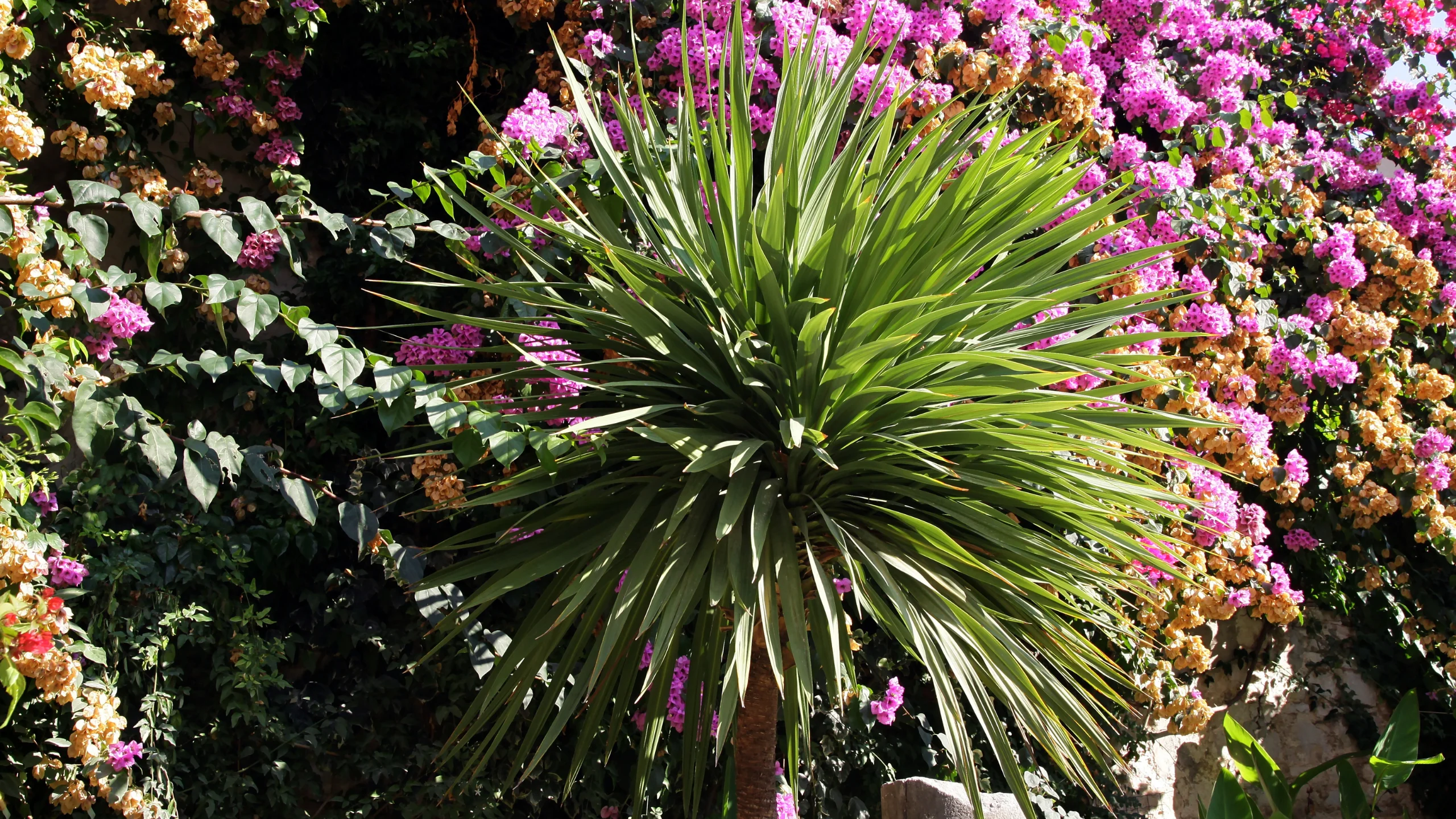
Plants are what bring life and scent into an Italian garden, but unlike other styles, this one doesn’t rely heavily on bright flowers. Instead, the focus is on texture, structure, and scent , think of green herbs, grey-toned leaves, and tidy shapes. These plants don’t just look good; many are also low-maintenance and drought-tolerant, which makes them perfect for anyone who wants beauty without the constant upkeep.
Start with herbs. Rosemary, thyme, and sage are absolute classics in Mediterranean-style gardens. They grow well in containers or borders, stay green most of the year, and bring a beautiful fragrance when you brush past them. These herbs don’t just look good; they also bring a sense of purpose to the garden. You can pick them fresh while cooking or let them bloom for the bees.
Next, consider plants that add fragrance and softness. Lavender is one of the most iconic. Its grey-green leaves and purple flowers look right at home beside stone paths or terracotta pots. Jasmine is another great choice; its sweet smell and soft white flowers can trail up a fence or climb a pergola. Even a single plant near a seating area can completely change the mood of the space.
You’ll also want a few larger statement plants or trees. Citrus trees like lemon or orange add structure and a traditional Italian feel. Even if they don’t fruit heavily in your area, they still offer beauty and a classic look. Olive trees are another option; their silvery leaves and gnarled trunks bring that Mediterranean feel, even in a pot on the patio. Italian cypress trees, with their tall, narrow shape, make a strong vertical statement when planted in pairs or lining a path.
For climbing or trailing interest, grapevines are an excellent fit. They grow fast, love the sun, and can cover a pergola or trellis while adding character. If grapevines aren’t practical in your area, you can try alternatives like climbing roses or native vines with a similar feel.
Choose plants that match your climate, but stick with those that offer structure, greenery, and subtle color. When arranged thoughtfully, these plants create a garden that feels calming, grounded, and beautifully lived-in, just like those timeless gardens found across the Italian countryside.
How to Lay Out Your Garden Like a Pro
Designing the layout of your Italian garden is where everything starts to come together. The goal isn’t to fill every inch but to guide the eye and movement through the space with intention. A good layout gives the garden a sense of rhythm, calm, and beauty, even when it’s simple. This is what separates a random collection of plants from a space that truly feels like a timeless garden.
Begin by choosing your main axis or focal point. This could be a path leading to a statue, a fountain, or even a seating area. That line becomes your garden’s anchor. Once you have that, build around it with clean lines and balanced features. You don’t have to mirror everything perfectly, but things should feel even and thoughtfully spaced. For example, if you place a tall potted plant on one side of the path, try to balance it with something similar in size on the other side.
Creating zones is another smart move. These zones help organize your space without making it feel crowded. You can have a sitting area tucked under a pergola, a small herb garden close to the kitchen, and a central open space with a gravel path. Each area should feel connected to the next, not completely separate. That way, as you walk through the garden, it feels like a smooth journey, not a bunch of disconnected corners.
Don’t forget the importance of edges and transitions. Italian gardens often use low borders, like boxwood or stone edging, to define spaces. These clean edges help your eye rest and make the garden feel more orderly. You can use gravel or small paving stones to mark transitions between different areas, which also makes the garden easier to maintain.
Keep the height of plants and features in mind as well. Try to mix low, medium, and tall elements in a way that creates interest without blocking views. Taller items like trees or trellises should go toward the back or along the edges, while lower plantings should sit closer to the paths. This helps open up the space and makes it feel larger than it is.
In the end, a great layout doesn’t have to be complicated. It just needs a clear idea, a few strong lines, and space for every element to breathe. With thoughtful planning, your backyard can feel just as elegant and welcoming as a classic Italian garden.
Water Features & Decor That Set the Mood
One of the most charming parts of an Italian garden is the soft trickle of water echoing through the space. You don’t need anything grand; a simple fountain, birdbath, or even a wall-mounted spout can do the job beautifully. Water features add sound, movement, and a sense of calm. In smaller gardens, even a shallow bowl with water and floating flowers can bring that peaceful element without taking up much space.
Decor in Italian gardens is often understated but meaningful. A worn stone statue, a vintage sundial, or an aged terracotta urn can become the centerpiece of your garden without shouting for attention. The idea is to make the space feel timeless and natural, like it’s always been there. Let the materials speak for themselves; choose decor made of stone, iron, wood, or clay. These will age well and add character over time.
You can also use pergolas and trellises as decorative and functional pieces. Covered in climbing plants, they create shade while framing views and dividing areas. Whether it’s a vine-covered arbor leading to your seating area or a pergola over a dining space, these features add height and a strong sense of atmosphere.
A little lighting can also help the mood. Choose soft, warm-toned lights that highlight paths or focal points. Nothing harsh or overly modern. The goal is to create a space that feels romantic and relaxing, especially as the sun sets.
Local Tips for Making It Work Anywhere
Even if you’re not in Italy, you can still capture the spirit of an Italian garden by working with what your space and climate offer. The key is to adapt smartly while keeping the core principles intact. According to the International Journal of Molecular Sciences (2024), plants commonly used in the Mediterranean diet adopt strategies like drought‑escape (short life cycle) and frugality (low resource need), which help them survive long dry periods without constant water. Choose plants that have a Mediterranean look but can survive in your local conditions. Swap olive trees for other silvery, drought-tolerant options if needed. If citrus won’t thrive year-round, keep them in pots and bring them indoors during colder months.
Use local stone or materials that blend with your surroundings. Sometimes the best Italian gardens are the ones that don’t try to copy Italy exactly; they blend the old-world charm with the beauty of what’s already around you. Focus on structure, balance, and feeling, and your garden will feel authentic in its own way.
Sample Backyard Layout (Free Template Idea)
If you’re not sure where to begin, imagine this simple layout: A gravel path runs straight down the center, leading to a small fountain. On either side are square planting beds with lavender, rosemary, and shaped boxwood. A stone bench sits at the end of the path. Along one edge is a pergola with climbing jasmine and a bistro table beneath. The other side holds a few large terracotta pots with herbs and citrus. It’s simple, balanced, and easy to personalize.
This kind of layout works in almost any backyard and gives you a solid starting point. As your garden grows, you can add to it, one feature, one plant, one moment of beauty at a time.
Let’s Build Your Italian Garden Together
Ready to bring this peaceful, timeless style to your space? Whether you’re starting fresh or transforming an existing yard, an Italian garden adds elegance and calm like nothing else. You don’t have to do it all at once. Start with a simple path, a few key plants, or a quiet corner, and build from there.
If you’re looking for guidance, ideas, or help with the design, a professional touch can make all the difference. You deserve a garden that not only looks beautiful but feels like your personal retreat. Let this be your invitation to create something lasting and lovely.
Final Thoughts
An Italian garden isn’t just about looks; it’s about creating a space that feels calm, timeless, and connected to nature. With the right layout, a few classic plants, and thoughtful design, even the smallest backyard can feel like a peaceful escape. Start simple, stay consistent, and let your garden grow into something truly special.
You’ve got this, my friend, and your little slice of Italy is just a few steps away.
Ready to Transform Your Backyard?
If you’re dreaming of a peaceful, Italian-inspired garden space, we’re here to help bring it to life. At DNG Amigos in Cleveland, TX, we specialize in turning everyday yards into relaxing outdoor escapes with timeless beauty and practical design.
Visit our Garden & Landscaping Services page to learn how we can help you create a custom Italian-style garden that fits your space, your taste, and your lifestyle. Let’s build something beautiful together.
