

Why Is My Lawn Dying?
Most lawns die because of a mix of watering mistakes, poor soil conditions, mowing errors, pests, or disease. The key is figuring out which factor is stressing your grass so you can fix it before it spreads.
Common Reasons Lawns Die
When a lawn begins to lose its healthy green look, there are usually several culprits working together. Understanding these common causes can help you identify what’s happening in your own yard and take steps before the damage spreads.
Overwatering vs. Underwatering
Too much water suffocates the soil, encouraging shallow roots and fungal growth. Too little water, on the other hand, leaves grass brittle and brown. Most lawns thrive with about 1 to 1.5 inches of water per week, applied deeply and infrequently. Shallow, daily watering might seem helpful, but it weakens the root system over time.
Irrigation Problems
Uneven sprinkler coverage often causes patches of grass to thrive while other areas dry out. A quick test, placing small containers across the lawn during watering, can reveal if certain spots are being neglected.
Mowing Mistakes
Grass is easily stressed by improper mowing. Cutting too short, also known as scalping, exposes the soil to heat and sun, damaging the blades. Keeping your grass at 2 to 3 inches and following the one-third rule (never cutting more than a third of the blade at once) keeps it resilient.
Thatch Build-Up
A thick layer of thatch, dead stems, and roots can act like a barrier, preventing water and nutrients from reaching the soil. If the layer is more than half an inch, dethatching or aeration may be necessary.
Soil Quality Issues
Compacted or nutrient-poor soil prevents roots from accessing what they need. This problem is especially common in yards with heavy clay or soil that hasn’t been aerated for years.
A Quick Story From My Yard
I once struggled with large brown patches that wouldn’t go away, no matter how much I watered. After weeks of guessing, I finally discovered the soil beneath my lawn had become rock-hard from years without aeration. Once I loosened the soil and improved drainage, the grass recovered beautifully. That experience taught me that sometimes the issue isn’t on the surface; it’s hidden beneath the soil.
Local Factors in Yards
Every yard has its own personality, shaped by climate, soil type, and the natural environment around it. While some lawn problems are universal, local conditions can often decide whether grass thrives or struggles. Knowing how these factors influence your lawn helps you work with nature rather than constantly fighting against it.
Soil Conditions and Their Impact
The soil beneath your grass is like the foundation of a house. If it isn’t strong, the whole structure suffers. In many areas, soil is either too sandy or too dense. Sandy soils drain quickly, leaving roots thirsty soon after watering. On the other hand, dense soils can become compacted, trapping water at the surface while starving roots of air and nutrients.
Compaction is one of the most overlooked reasons lawns fail. When soil particles are pressed tightly together, roots struggle to expand. You might notice puddles forming after rain, or areas that stay hard and cracked during dry spells. Aerating once or twice a year gives the soil room to breathe and makes a big difference in how grass performs.
The Role of Humidity and Heat
Temperature and moisture in the air directly affect the health of grass. High humidity creates the perfect breeding ground for fungi, which can quickly spread across the lawn. Diseases like brown patch and dollar spot are far more likely to appear in damp, warm conditions. Conversely, when the air is hot and dry, lawns often slip into dormancy as a natural survival tactic.
What many people mistake for dead grass in midsummer heat is actually dormancy. The blades turn straw-colored, but the crown of the plant remains alive, waiting for conditions to improve. This is why understanding your climate is so important. Instead of panicking when the grass turns brown during dry spells, you can adjust your watering routine and know when the lawn will bounce back.
Grass Types and Dormancy Patterns
Different grasses behave differently when stressed by the environment. Warm-season grasses such as Bermuda, Zoysia, and St. Augustine love heat and tend to slow down or go dormant in cooler months. Cool-season grasses like fescue or bluegrass grow actively in spring and fall but often struggle when summer temperatures soar.
If your lawn type doesn’t match your regional climate, it will always be fighting an uphill battle. Choosing the right grass for your yard’s environment reduces the amount of water, fertilizer, and intervention needed to keep it alive. In fact, many of the long-term lawn issues homeowners face are not due to poor maintenance but simply the wrong grass type in the wrong place.
How Seasons Influence Lawn Health
The changing seasons add another layer of challenge. In spring, grass often grows quickly and looks vibrant, but this flush of growth can mask underlying soil or pest problems. Summer heat tests root strength and exposes weak watering habits. Autumn is a recovery period, allowing grass to rebuild reserves before the cold months. Winter can bring dormancy, where grass seems lifeless but is only conserving energy.
Each season demands a slightly different approach. Understanding these natural cycles helps you plan care routines instead of reacting to problems as they appear. For example, heavy fertilization in the middle of summer heat may do more harm than good, while overseeding in early fall can transform a patchy yard into a thick carpet of green by spring.
Balancing Nature and Lawn Care
The truth is, local factors aren’t something you can control completely. You can’t change the climate, and you can’t transform your soil overnight. But you can adjust your approach so that the grass has the best possible chance of surviving and thriving. That might mean watering deeply but less often in sandy areas, or focusing on aeration and drainage where soils are dense. It might mean accepting periods of dormancy as part of the natural rhythm rather than seeing them as failure.
When you begin to see your lawn as part of the larger ecosystem, lawn care becomes less of a battle. You stop expecting perfection year-round and start working with what nature provides. This shift not only improves the health of the grass but also makes the process of maintaining a lawn more rewarding and less stressful.
Pests and Diseases to Watch For
Even the healthiest lawn can run into trouble when pests and diseases take hold. These problems often show up suddenly, spreading quickly if not recognized in time. Learning the signs of common lawn invaders helps you respond before the damage becomes severe.
Common Lawn Pests
- Grubs feed on grass roots, leaving patches that peel back like carpet. Affected areas often feel spongy underfoot.
- Chinch bugs suck the sap out of grass blades, causing yellow spots that spread outward.
- Armyworms move across lawns in groups, chewing blades down to stubs almost overnight.
- Mole crickets tunnel through the soil, damaging roots and creating uneven surfaces.
Fungal Diseases That Cause Brown Lawns
- Brown patch usually appears as circular areas of dying grass, often in warm, damp conditions.
- Dollar spot shows up as small, silver-dollar-sized patches of bleached grass.
- Rust disease gives grass blades a reddish-orange dust when touched.
- Powdery mildew creates a white, powder-like coating on the grass.
Signs to Look For
The challenge with lawn pests and diseases is that they can mimic other problems like drought stress or poor soil. Looking closely at patterns, textures, and timing can help you distinguish between them.
Table: Quick Guide to Pests and Diseases
| Problem | Visible Signs | Likely Season | Action Needed |
| Grubs | Grass lifts up easily, spongy patches | Late summer/fall | Apply grub control, reseed damaged areas |
| Chinch bugs | Yellowing spots, wilting grass | Mid-summer | Insect treatment, adjust watering |
| Armyworms | Bare spots overnight, chewed blades | Late summer | Lawn-safe insecticide, reseed |
| Brown patch | Circular brown areas | Warm, humid | Improve drainage, treat with fungicide |
| Dollar spot | Small bleached spots | Late spring/summer | Apply nitrogen, and fungicide if severe |
| Rust disease | Orange dust on grass blades | Late summer/fall | Improve airflow, balanced fertilization |
| Powdery mildew | White powder on grass | Spring/fall shade | Reduce shade, apply fungicide |
By keeping an eye on these warning signs and knowing when they typically strike, you can prevent minor problems from becoming major setbacks.
Mistakes That Make the Problem Worse
Sometimes a lawn begins to decline not because of outside pests or disease, but because of the way it is being cared for. Small errors in everyday maintenance can add up, leaving the grass weaker and more vulnerable to stress. Recognizing these mistakes is the first step to correcting them and helping your lawn recover.
Cutting Grass Too Short
- Mowing too low, also known as scalping, exposes the crown of the plant to heat and sunlight.
- Grass that is cut too short cannot store enough energy, leaving it thin and weak.
- Keeping blades at a height of 2 to 3 inches allows deeper roots and stronger growth.
Ignoring Aeration
- Compacted soil prevents water, oxygen, and nutrients from reaching the roots.
- Without aeration, lawns often stay patchy even when watered or fertilized.
- Core aeration once or twice a year gives the soil breathing space and strengthens the root system.
Overusing Fertilizer
- Applying too much fertilizer burns the grass, leaving yellow streaks across the yard.
- Excess fertilizer can also run off into nearby areas, causing environmental harm.
- Soil testing ensures the right nutrients are added in the right amounts.
Watering at the Wrong Time
- Watering in the evening leaves the lawn damp overnight, encouraging fungal growth.
- Midday watering often evaporates before it reaches the roots.
- Early morning watering allows grass to soak up moisture before the heat of the day.
Misusing Weed Killers
- Spraying herbicides without paying attention to timing or grass type can damage healthy turf.
- Some products work only in certain temperatures and seasons.
- Applying them incorrectly often harms the lawn more than the weeds.
Forgetting Seasonal Adjustments
- Grass does not need the same care year-round.
- Treating summer grass the same as spring growth often results in stress.
- Adjusting mowing height, watering frequency, and fertilizer timing keeps the lawn balanced through each season.
How to Revive a Dying Lawn
A lawn that looks brown and lifeless isn’t always beyond saving. With the right approach, you can bring it back to health and even stronger than before. The key is to follow a process that addresses the underlying problems instead of just treating the symptoms.
Preparing the Lawn for Recovery
The first step is clearing away what’s holding the grass back. Rake up dead material, leaves, or heavy thatch so the soil can breathe. If the thatch layer is thicker than half an inch, dethatching or aeration will open the surface and help water and nutrients reach the roots.
Establishing a Smart Watering Routine
Watering is often where lawns fail, either from too much or too little. A deep, infrequent routine works best, aiming for about 1 to 1.5 inches of water per week. Water in the early morning so the soil absorbs moisture before the sun gets too strong. Shallow, frequent watering should be avoided because it encourages weak, shallow roots.
Reseeding or Overseeding Bare Spots
When large areas are thin or bare, reseeding can restore density. Choose a grass variety suited to your climate, and spread seed evenly across damaged patches. Overseeding the whole lawn can also strengthen existing turf, making it more resistant to future stress.
Using Fertilizer and Soil Amendments Wisely
Fertilizer works best when guided by a soil test. This ensures your lawn receives exactly what it needs, whether that’s nitrogen, potassium, or pH adjustments. A slow-release fertilizer applied at the right time helps steady growth without the risk of burning the grass.
Preventing Future Lawn Damage
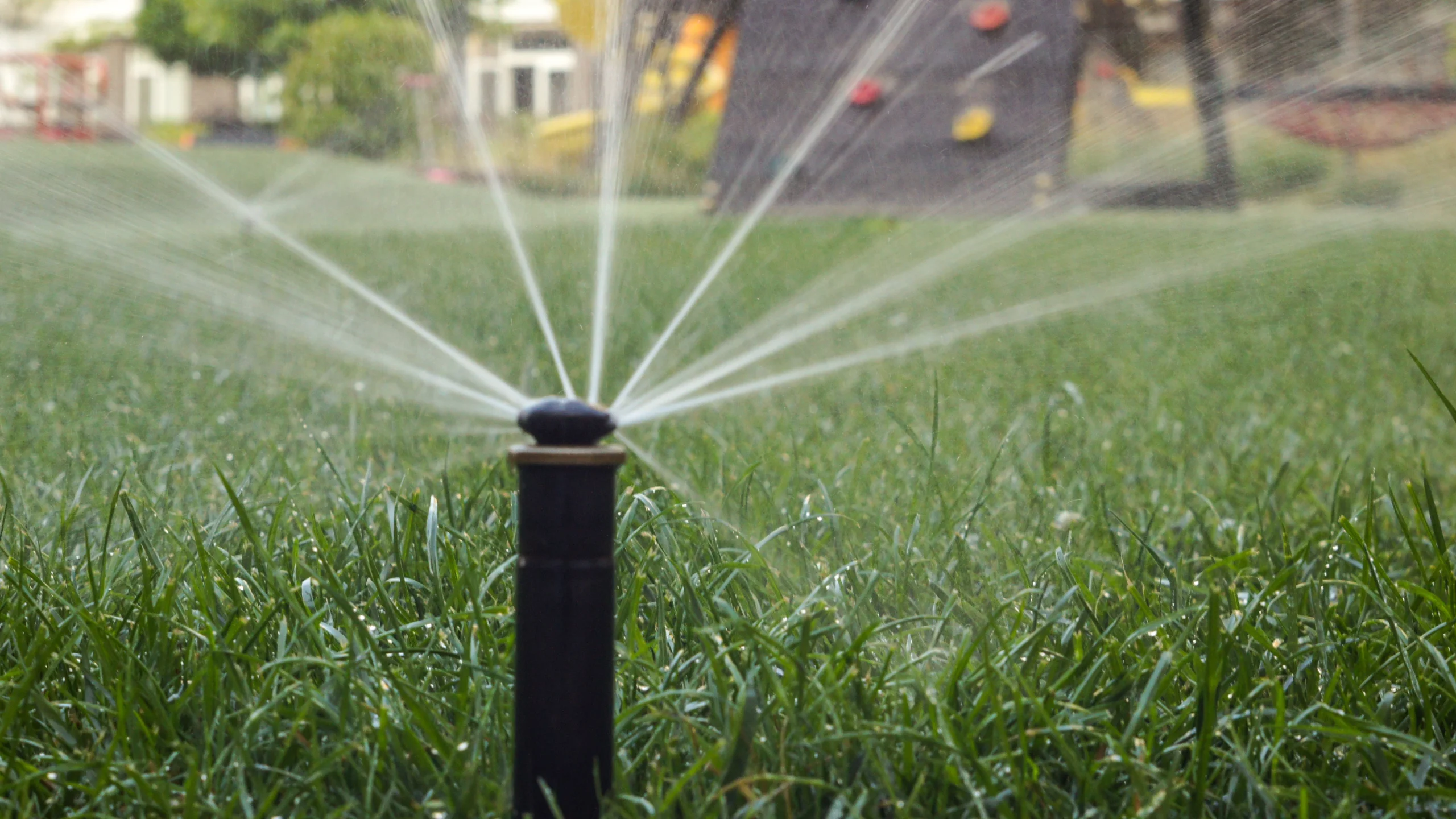
Once a lawn has been revived, the real goal is to keep it healthy year after year. Prevention is easier and less expensive than constant repair, and it only requires some planning and consistency. By following seasonal routines and focusing on soil, water, and mowing habits, you can maintain a strong, resilient lawn that resists most problems. A field study by Oregon State University found that watering tall fescue once per week, or four times per week at 45%–80% of full replacement, kept lawns healthy and reduced weed growth, underscoring the benefit of monitored, judicious watering.
Building a Seasonal Care Routine
Every season places different demands on the grass. In spring, lawns respond well to aeration and balanced fertilization, which prepare roots for the active growing months ahead. Summer calls for careful watering and steady mowing, since heat and dryness put stress on even the strongest grass. Fall is the time to repair damage with overseeding and additional nutrients, while winter care is minimal, allowing the lawn to rest and store energy until growth resumes. Recognizing these cycles prevents overfeeding or overwatering when the grass is not actively growing.
Strengthening the Soil
Healthy soil is the foundation of a strong lawn. Regular aeration ensures air and water can move freely, while compost or organic amendments build long-term fertility. Testing the soil every couple of years helps track nutrient balance and pH levels. With strong soil beneath, grass naturally develops deeper roots, making it far less dependent on extra water or fertilizer.
Watering with Purpose
Water management is one of the simplest ways to prevent future decline. Deep, infrequent watering encourages grass to grow roots that can reach moisture reserves deeper in the soil. Early morning irrigation allows maximum absorption and reduces the chance of fungal growth. By adjusting watering to match rainfall and seasonal conditions, lawns remain hydrated without becoming weak or disease-prone.
Mowing for Long-Term Health
How you mow affects more than just appearance. Keeping grass blades a little taller shades the soil, helps retain moisture, and prevents weeds from gaining a foothold. Dull mower blades tear rather than cut, creating openings for pests and diseases. Sharpening blades and mowing at the right height are simple steps that greatly improve resilience.
Creating a Balanced Environment
A healthy lawn is not just grass; it is part of an ecosystem. Air circulation, sunlight exposure, and proper drainage all play a role in long-term success. Trimming nearby shrubs, avoiding heavy traffic on the same areas, and reducing excess shade can all reduce stress. When grass grows in a supportive environment, it is less likely to suffer from patchiness or decline.
Ready to Revive Your Lawn?
Don’t let brown patches and thinning grass take over your yard. The right care makes all the difference, and expert help can get you there faster. Book your lawn care service with DNG today and enjoy a lush, healthy lawn you’ll be proud of.
FAQs
Is My Lawn Dead or Just Dormant?
One of the most common concerns is whether brown grass means the lawn is gone for good. In many cases, the grass is not dead but dormant. During periods of extreme heat or cold, grass naturally slows its growth and turns brown to conserve energy. Dormant grass still has living crowns and roots, and it usually returns to green once conditions improve. Truly dead grass, however, will not respond to watering or seasonal changes and may require reseeding.
How Often Should I Water in Summer?
Watering too frequently is one of the easiest mistakes to make. Grass benefits most from deep watering about once or twice a week, delivering around one inch of water each time. This encourages roots to grow deeper, making the lawn more drought-resistant. Light daily watering keeps roots close to the surface, leaving grass vulnerable when hot or dry weather hits.
What Grass Types Grow Best in Most Yards?
The right grass depends on the climate and how the yard is used. Warm-season grasses such as Bermuda, Zoysia, and St. Augustine thrive in hotter regions, while cool-season grasses like fescue, ryegrass, and Kentucky bluegrass perform better in cooler areas. Choosing a type suited to your environment reduces the need for constant watering, fertilizing, and reseeding.
Should I Hire a Professional Lawn Service?
Many homeowners can maintain a lawn on their own with consistent care. However, a professional service may be worth considering if the lawn has recurring pest infestations, extensive disease, or ongoing soil issues. Professionals can test soil, identify problems quickly, and apply treatments that are often not available in standard garden stores. Hiring help can save time and reduce the trial-and-error approach of figuring out lawn problems alone.
How Can I Tell If My Soil Is Healthy?
Healthy soil is the backbone of a thriving lawn. Signs of good soil include even growth across the yard, strong root systems, and grass that responds well to rain. If patches remain thin despite watering and mowing properly, the soil may be compacted or lacking nutrients. A soil test will reveal pH levels and nutrient balance, allowing you to make the right adjustments.
