A lush, green lawn doesn’t just happen; it’s grown. The secret? Smart, timely fertilization. Whether you’re just starting out or looking to revive tired turf, knowing when and how to fertilize your lawn can make all the difference. Let’s break it down step by step.
How to fertilize a lawn
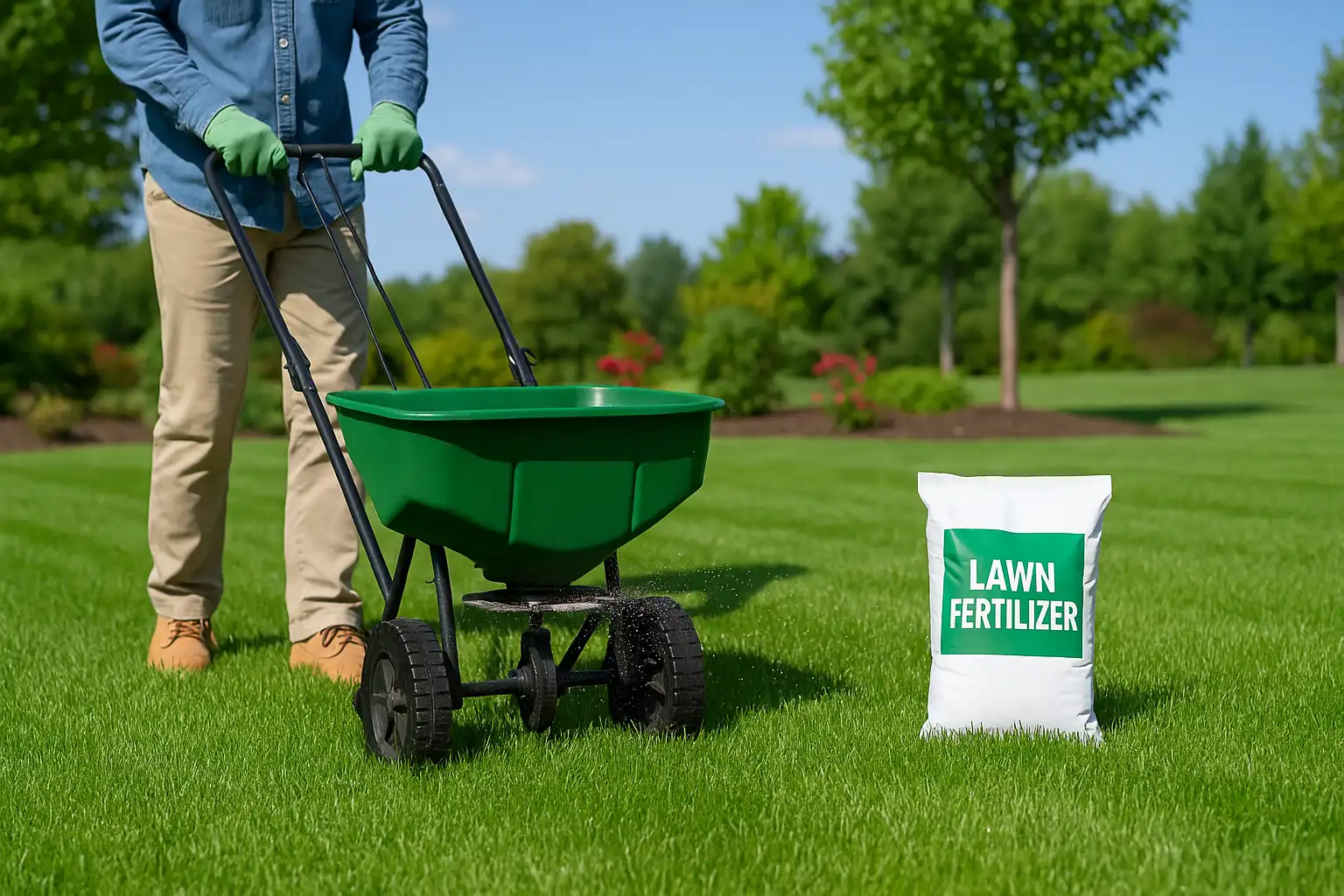
Fertilizing your lawn starts with choosing the right product, applying it at the right time, and using the correct amount. For best results, use a balanced fertilizer and apply it during your lawn’s active growing season. Always follow label directions and water lightly afterward to help nutrients absorb.
Understanding Lawn Types
I learned this the hard way with my first home lawn. I treated my Bermudagrass like a cool-season lawn and dumped fertilizer on it in early spring. It barely responded until I timed my applications closer to June. That year, the grass exploded into a dense, emerald carpet. Timing really is everything. Knowing your lawn type sets the foundation for every decision that follows, from product selection to application frequency.
When to Fertilize Your Lawn
Timing is everything when it comes to lawn fertilization. Different grass types have different growth cycles, and applying fertilizer too early or too late can do more harm than good. Here’s how to time it right for each lawn type:
-
Cool-season grasses (e.g., fescue, rye, bluegrass):
-
Fertilize in early spring and early fall
-
Avoid summer feeding, as it can stress the grass
-
These times align with their natural growth spurts
-
-
Warm-season grasses (e.g., Bermuda, St. Augustine, Zoysia):
-
Fertilize from late spring through summer
-
First application after full green-up (post-frost)
-
Continue feeding every 6 to 8 weeks through early fall
-
-
Avoid overlapping feedings:
-
Wait 45 to 60 days between applications
-
Use slow-release fertilizer to extend this window
-
Prevents nitrogen burn and nutrient runoff
-
Matching your fertilization schedule to the grass’s natural growth rhythm leads to a thicker, greener, and more resilient lawn.
Choosing the Right Fertilizer
Fertilizers aren’t one-size-fits-all. The right choice depends on your grass type, soil condition, and growth goals. Start by understanding the NPK ratio, which stands for nitrogen (N), phosphorus (P), and potassium (K).
According to the University of Tennessee Institute of Agriculture, nitrogen is the most important nutrient for green leafy growth, while phosphorus and potassium support root strength and disease resistance.
A label like 10-10-10 means the fertilizer contains 10% of each nutrient.
-
Nitrogen promotes leaf and stem growth, giving your lawn that rich green color.
-
Phosphorus supports strong root development.
-
Potassium boosts disease resistance and overall stress tolerance.
For most established lawns, a high-nitrogen, slow-release fertilizer is ideal. Slow-release blends feed gradually, preventing nutrient burn and reducing runoff. Look for ratios like 20-10-10 or 32-0-4 for typical feedings.
If you’re starting a new lawn from seed or sod, a starter fertilizer with more phosphorus (like 16-22-8) helps support early root growth. These formulas give young grass the foundation it needs to thrive.
Also, consider organic fertilizers; they release nutrients slowly and improve soil health over time. Products like composted manure or seaweed blends enrich the soil ecosystem while feeding your lawn naturally.
The key is to match the fertilizer formula to your lawn’s current condition and seasonal needs; don’t just grab the first bag on the shelf.
How Much Fertilizer to Use
Applying the right amount of fertilizer is just as important as choosing the right type. Too little won’t give you results, and too much can burn your grass or cause harmful runoff.
The general rule is to apply no more than 1 pound of nitrogen per 1,000 square feet per application. But different grass types have different annual nitrogen needs:
- Bermudagrass: 2–6 lb of nitrogen per 1,000 sq ft/year
- St. Augustinegrass and Zoysiagrass: 1–4 lb
- Buffalograss and Centipedegrass: 0–2 lb
- Tall Fescue: 2–4 lb
Always read the fertilizer label to calculate how much product delivers that nitrogen dose. For example, if a fertilizer is labeled 20-10-10, then 5 pounds of it provides 1 pound of nitrogen (because 20% of 5 lb = 1 lb of nitrogen).
Use a broadcast spreader or drop spreader for even coverage. Most bags will list spreader settings based on model to help you dial it in precisely.
And don’t forget to measure your lawn area! Guessing often leads to over-application. Break the lawn into zones and calculate square footage to apply fertilizer accurately and responsibly.
Soil Testing and Preparation Tips
Fertilizing blindly is like throwing darts in the dark. A soil test gives you a clear picture of what your lawn actually needs, so you don’t overdo nutrients that are already present or ignore deficiencies that limit growth.
Start by collecting soil samples from different areas of your lawn, ideally 3–4 inches deep. Local extension services or garden centers often provide soil test kits or can send samples to a lab. These tests measure pH levels, nutrient content, and organic matter.
Most grasses prefer a slightly acidic to neutral soil, with a pH between 6.0 and 7.0. If your soil is too acidic, adding lime can raise the pH. If it’s too alkaline, sulfur or organic compost can help bring it down.
Once your soil is balanced, proper aeration ensures fertilizer reaches the root zone. Consider aerating compacted lawns in the spring or fall before your first feeding. This helps oxygen, water, and nutrients penetrate deeply.
Prepping the soil before fertilizing—through testing, adjusting pH, and aerating—maximizes nutrient uptake and leads to healthier, more resilient turf.
How to Apply Lawn Fertilizer the Right Way
Fertilizing your lawn isn’t just about tossing granules and hoping for the best. The way you apply fertilizer can make or break its effectiveness.
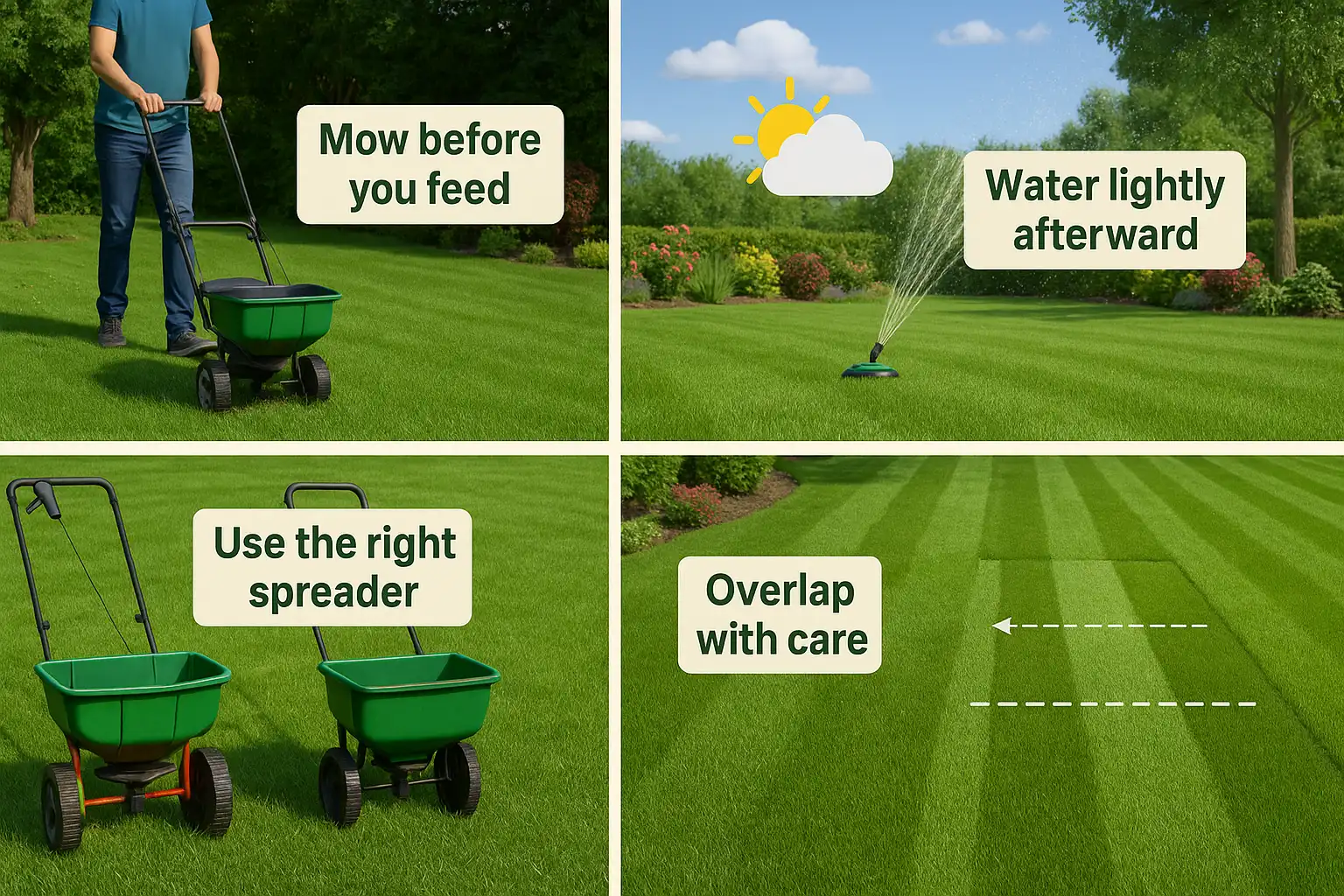
- Mow before you feed. Cutting your grass a day or two before fertilizing allows nutrients to reach the soil surface more directly. Leave the clippings; they can act as a natural mulch.
- Water lightly afterwards. This helps activate the fertilizer and moves nutrients into the root zone. Avoid heavy watering, which can wash nutrients away before they are absorbed.
- Watch the weather. Don’t fertilize before heavy rain or during extreme heat. Rain can cause runoff, and heat can stress grass, especially if the fertilizer contains fast-acting nitrogen.
- Use the right spreader. A broadcast spreader is great for large areas and even coverage. A drop spreader offers more precision around edges and flower beds. Calibrate your spreader before use using the settings on the fertilizer bag.
- Overlap with care. When making passes with your spreader, slightly overlap rows to avoid missed strips, but don’t double-apply at the edges—it can scorch the grass.
Consistent, careful application not only gives you a healthier lawn but also protects your soil, your wallet, and the environment.
Fertilizing New Lawns vs Established Lawns
New lawns have different needs than established turf, and your fertilization strategy should reflect that. Whether you’re seeding or laying sod, the early weeks are critical for root development.
For new lawns, use a starter fertilizer with a higher phosphorus content, such as 16-22-8. Phosphorus supports strong root formation, which is essential in the early growth phase. Apply just before or right after planting seed or installing sod.
Once the grass begins growing, apply a second round of fertilizer 4 to 8 weeks later, depending on growth. This helps fuel top growth and encourages denser coverage.
In contrast, established lawns thrive on maintenance feeding. Stick with slow-release, nitrogen-rich blends during the active growing season. The goal is to support thick, green blades and strong disease resistance, not root growth, which is already developed.
Also, be cautious with herbicides on new lawns. Avoid using weed-and-feed products until the grass is mature, usually after the third mowing.
Tailoring your approach based on your lawn’s stage ensures the nutrients are going exactly where they’re needed most.
Eco-Friendly Fertilization Tips
A lush lawn doesn’t have to harm the environment. With a few mindful choices, you can feed your grass while protecting soil health and nearby ecosystems.
Choose Organic or Slow-Release Fertilizers
Opt for organic options like compost, manure, or plant-based blends. These feed the lawn gradually, improve soil structure, and reduce the risk of chemical runoff. Look for products labeled natural-based or slow-release for the most sustainable impact.
Don’t Overdo It
Applying too much fertilizer does more harm than good. Excess nutrients often wash away, leading to water pollution and soil imbalance. Stick to what your lawn needs; accurate measurements and proper timing are key.
Water Smartly
Lightly water your lawn after fertilizing to help nutrients soak in. Avoid heavy watering, which wastes both fertilizer and water. Deeper, less frequent irrigation encourages stronger roots and better overall lawn health.
Try Grasscycling
Instead of bagging grass clippings, leave them on the lawn. This simple practice, called grasscycling, returns valuable nitrogen to the soil and reduces how often you need to fertilize.
Grow Green, Live Green
Using eco-friendly fertilization techniques supports healthier soil, cleaner water, and a more resilient lawn. It’s a small shift with a big impact on your yard and the environment.
Need Expert Lawn Care in Cleveland, TX?
DNG Amigos Lawn Care offers full-service lawn and landscape solutions tailored to your property. From mowing and fertilizing to aeration and custom garden design, we do it all with care and precision. Contact us today to schedule your personalized service.
Final Thoughts
A greener lawn isn’t just about appearances; it reflects the health of your soil, your timing, and the care you put into every step. By understanding your grass type, choosing the right fertilizer, and applying it with precision, you’re giving your lawn exactly what it needs to thrive.
Remember: fertilizing isn’t a one-time fix; it’s part of a larger lawn care routine. With the right knowledge and consistency, even the patchiest yard can transform into a vibrant, resilient outdoor space you’ll be proud of.
Frequently Asked Questions
How often should I fertilize my lawn?
Most lawns benefit from fertilizing 2 to 4 times per year, depending on the grass type and climate. Space applications about 6 to 8 weeks apart, or follow the schedule recommended on the product label.
Can I fertilize my lawn in the summer?
Yes, but only if you have warm-season grasses like Bermuda or Zoysia. Fertilizing cool-season grasses in summer can stress them during the heat.
What’s the best fertilizer for a healthy lawn?
A slow-release, nitrogen-rich fertilizer works well for most lawns. For new grass, use a starter fertilizer with more phosphorus. Always match the product to your grass type and soil needs.
Is it better to fertilize before or after rain?
Fertilizing before light rain is fine, but avoid applying before heavy rain, it can wash away nutrients. Alternatively, water your lawn gently after fertilizing.
