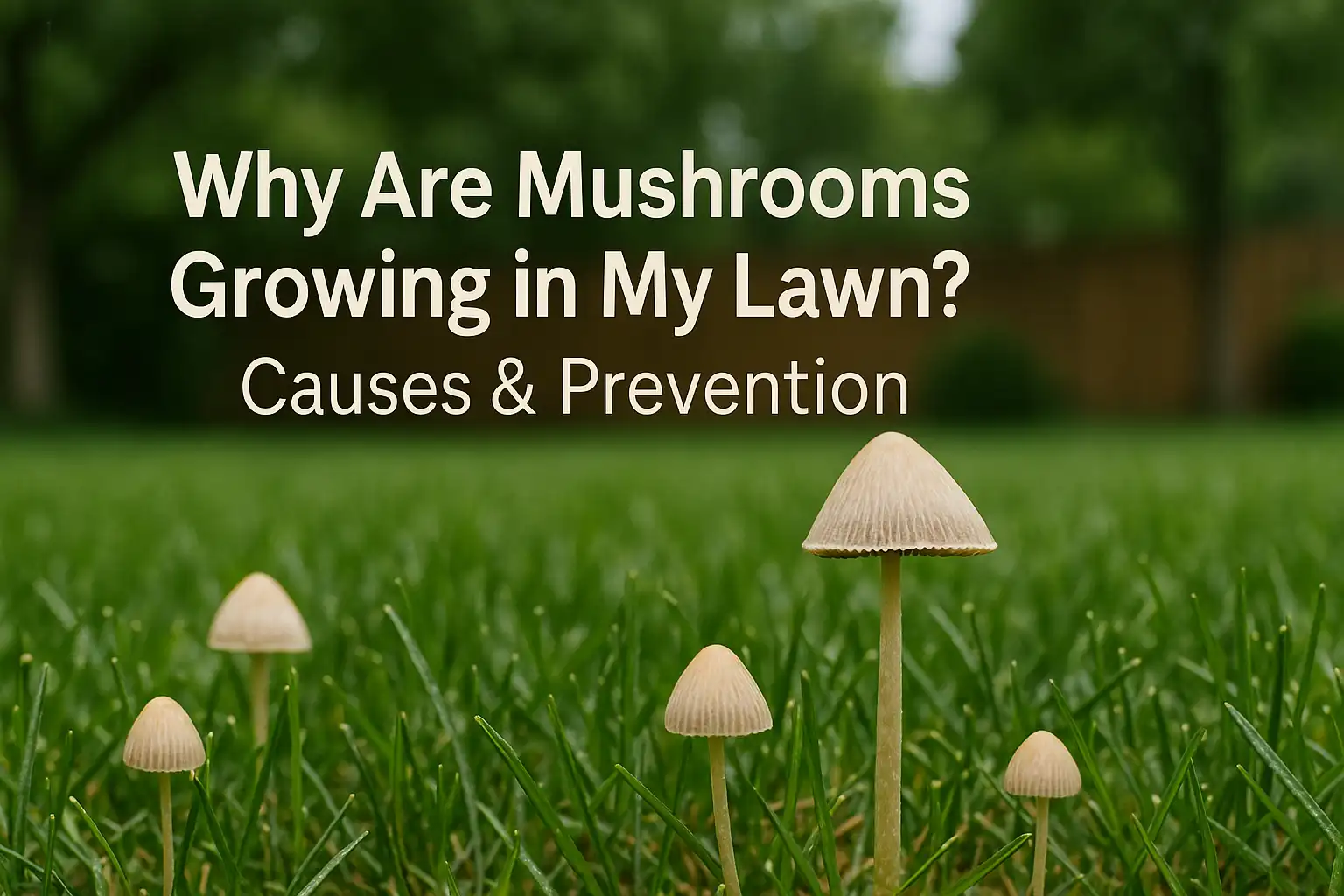
Mushrooms popping up in your perfectly trimmed lawn can be puzzling—or even a little creepy. One day it’s green grass; the next, strange fungi are sprouting like tiny umbrellas overnight. Are they dangerous? A sign of poor lawn health? Or something else entirely?
Let’s dig into the truth about these mysterious lawn invaders.
What Causes Mushrooms to Grow in Lawns?
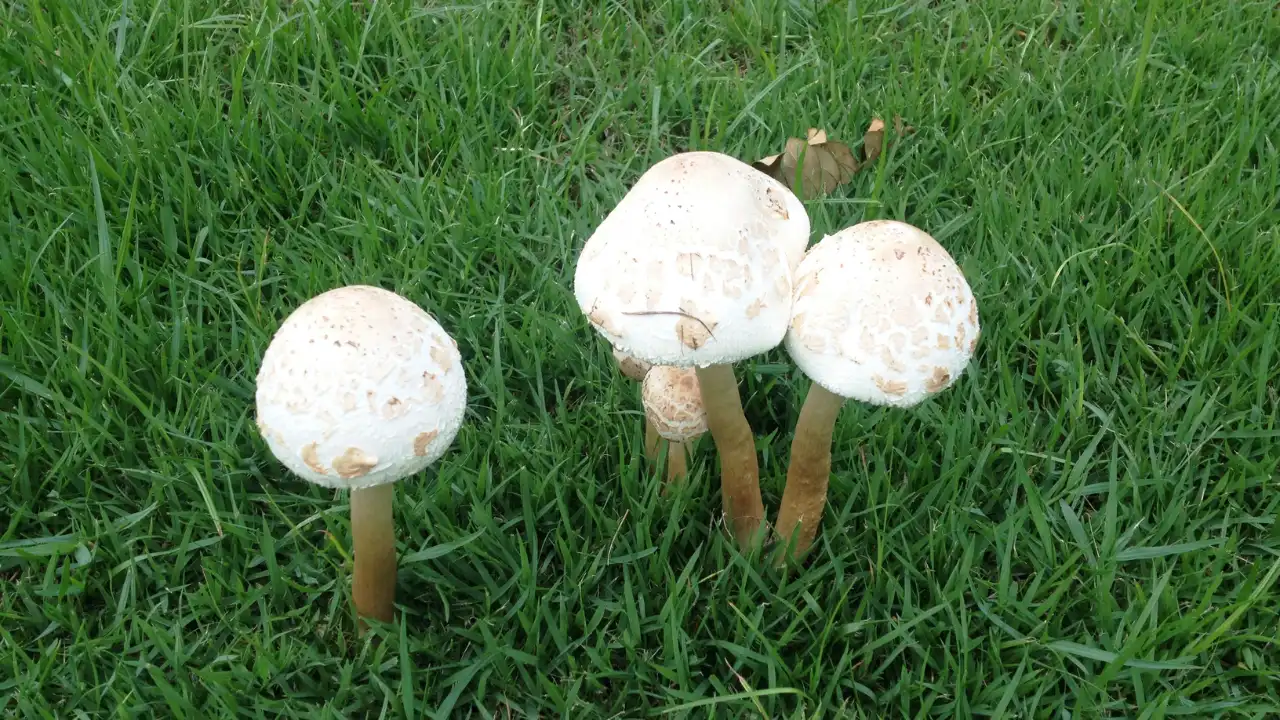
Mushrooms thrive in lawns with moisture, shade, and an abundance of organic material in the soil. They’re simply the fruiting bodies of underground fungi breaking down old roots, wood, and other natural debris.
In short: your lawn isn’t failing, it’s recycling.
Are Mushrooms in My Yard Harmful or Beneficial?
Most lawn mushrooms are harmless, and many are actually beneficial to your soil. They’re a visible sign of active fungal networks working underground to decompose organic matter like old mulch, tree roots, or grass clippings. This process releases nutrients and improves soil structure, which in turn helps your grass grow thicker and healthier. According to the USDA Forest Service, when mushrooms decompose organic matter like leaves and wood, they release nutrients that enrich soil and support plant and microbial growth.
These fungi also form mycorrhizal relationships with plant roots, exchanging water and minerals for sugars, boosting plant resilience and nutrient uptake. In essence, mushrooms are part of nature’s cleanup crew, helping your lawn stay balanced.
I remember a homeowner I worked with who was convinced his lawn had a disease when mushrooms kept appearing under a tree stump. Turned out, the fungi were decomposing leftover roots, doing exactly what nature intended. Once he understood this, he let them be—and a year later, that patch of grass was the healthiest on his property.
That said, caution is still wise. Some mushrooms can be toxic to pets or children, and others may signal drainage issues or overwatering. But overall, their presence is more helpful than harmful.
Common Types of Mushrooms That Appear in Lawns
Not all lawn mushrooms are created equal. While many are benign, others are odd-looking, smelly, or even startling to find. Here are a few common types you might spot:
- Stinkhorns (Phallaceae): These bizarre mushrooms emerge from egg-like sacs and often produce a foul odor. Despite their dramatic appearance, they’re harmless and short-lived.
- Puffballs: Round and white, puffballs release clouds of spores when disturbed. They typically grow in rich, organic soil and are a sign of active decomposition.
- Dog Vomit Slime Mold: Technically not a mushroom, this yellow foamy blob often appears in mulch after rain. It looks gross but doesn’t harm grass or plants.
- Fairy Ring Mushrooms: These grow in circular patterns and are linked to underground fungal colonies. While they can sometimes affect grass health, the fungi themselves are part of a normal soil ecosystem.
- Inky Caps (Coprinus): Thin and delicate, these mushrooms dissolve into black goo shortly after maturing. They often appear in nutrient-rich lawns.
Each of these fungi points to a lawn that’s biologically active—full of decaying organic material, moisture, and fungal life doing its job.
How to Identify a Lawn Fungus Problem
Not all fungi are friendly. While mushrooms usually signal natural decomposition, some fungal growth could be a sign of lawn disease, especially if your grass is turning brown, patchy, or wilting.
Look for these red flags:
- Brown Patch: Appears as large, circular dead zones with a thin outer ring. Often caused by excess moisture and high humidity.
- Fairy Rings: When accompanied by dead grass inside the circle, these indicate a potential nutrient lockout from thick fungal growth.
- Fusarium Blight: Shows up as irregular, matted patches in cool weather. Common in lawns with poor drainage or compacted soil.
- Rust Fungus: Leaves grass blades covered in orange powder. It thrives in wet, shaded areas and can weaken turf over time.
You can distinguish between normal mushrooms and harmful lawn fungi by checking the health of the grass around them. If the turf looks lush and green, the fungi are likely helping—not hurting. But if the lawn is deteriorating, it may be time to act.
How to Prevent Mushrooms from Growing Back
While mushrooms can signal healthy soil, you might still want to reduce their appearance—especially if kids or pets frequent the yard. The key is to eliminate the conditions that fungi love: moisture, shade, and organic debris.
Here are expert-approved strategies:
- Improve Drainage: Mushrooms thrive in soggy soil. Aerate your lawn to loosen compacted areas and allow water to flow more freely.
- Trim Shade: Prune overhanging trees or bushes to let more sunlight in. Fungi prefer dark, damp environments.
- Dethatch the Lawn: Remove thick layers of dead grass and debris that trap moisture and serve as food for fungi.
- Adjust Watering: Water less frequently but more deeply. Overwatering, especially in cool seasons, is a common trigger.
- Clear Organic Debris: Remove old mulch, decaying wood, and tree stumps—prime food sources for mushroom-producing fungi.
You don’t need to eliminate mushrooms entirely. But by improving air circulation, managing moisture, and keeping the soil clean, you’ll reduce how often they show up—and keep your lawn looking sharp.
Should I Remove Mushrooms from My Lawn?
In most cases, there’s no urgent need to remove lawn mushrooms—they’re temporary, natural, and often beneficial. However, there are times when removal makes sense:
- Safety Concerns: If you have pets or young children, removing mushrooms can prevent accidental ingestion of toxic species.
- Aesthetics: Some people simply prefer the clean look of a mushroom-free lawn.
- Spore Control: Removing mushrooms before they release spores may help reduce future growth.
To remove them, simply twist and pull at the base or cut them with a knife. Avoid kicking or mowing over them, which can spread spores further. Also, avoid using harsh chemicals unless absolutely necessary—many fungi will return unless underlying soil conditions are corrected.
Think of mushrooms like nature’s messengers: their presence is a signal, not a problem. If your lawn is otherwise healthy, removing them is mostly a matter of personal preference.
Natural vs Chemical Control Options
When it comes to managing mushrooms in your lawn, you have two main routes: natural prevention or chemical treatment. The best approach often depends on your lawn goals and tolerance level.
Natural Methods focus on fixing the root cause:
- Improve Soil Drainage through aeration.
- Balance Organic Material—don’t over-mulch or let clippings pile up.
- Increase Sunlight by trimming back overgrown foliage.
- Monitor Watering—fungi thrive in damp, shaded lawns.
These techniques support long-term lawn health and reduce the conditions that favor fungal growth.
Chemical Control, on the other hand, targets fungi directly:
- Fungicides like DiseaseEx (for lawn diseases) may reduce spores and fungal networks.
- However, most fungicides don’t eliminate mushrooms entirely unless there’s a disease presence.
- Overuse can harm beneficial microbes, disrupt soil biology, and create resistance.
In most cases, chemicals are overkill unless mushrooms are linked to persistent turf disease. For general mushroom management, nature-friendly practices tend to be safer and more sustainable.
How Weather Affects Lawn Fungi
Weather plays a major role in mushroom growth. Fungi are highly responsive to environmental conditions, especially during transitional seasons.
Here’s how different weather patterns influence their appearance:
- After Rainfall: Mushrooms often pop up within 24 to 48 hours after heavy rain. The moist soil triggers fungi to send up their fruiting bodies.
- High Humidity: Warm, damp conditions create the perfect environment for spore germination and rapid mushroom development.
- Cooler Temperatures: Many mushroom species thrive in spring and fall, when soil stays moist but not overly hot.
- Extended Dry Periods: Fungal activity slows, and mushrooms may disappear—but the underground mycelium remains dormant, waiting for better conditions.
Think of mushrooms as nature’s way of telling you your soil is biologically active. Their presence often follows patterns of moisture and temperature, so don’t be surprised if they come and go with the weather.
Final Thoughts
Mushrooms in your lawn might seem odd at first, but they’re usually a sign of a healthy, living soil ecosystem. These fungi help break down organic matter, enrich your soil, and support strong turf growth. Unless they’re linked to disease or pose a risk to pets or children, there’s rarely a need for concern.
Still, if their appearance bothers you or becomes excessive, simple adjustments to moisture, shade, and soil care can keep your lawn balanced and beautiful. As with most things in nature, understanding the “why” behind the fungi leads to smarter, greener lawn care.
Need Professional Lawn Care Help?
If mushrooms keep popping up and you’re unsure what your lawn really needs, let the pros handle it. At DNGA Migos HC, we offer expert lawn care solutions tailored to your soil, weather, and yard goals.
Serving Cleveland, TX, and surrounding areas – get in touch today for a free lawn assessment!
Request a Quote or call us to get started.
FAQs
Are mushrooms in my lawn a sign of overwatering?
Yes, mushrooms often grow in areas with excess moisture. Overwatering, poor drainage, or frequent rain can create ideal conditions for fungi to thrive.
Will lawn mushrooms kill my grass?
No, most lawn mushrooms are not harmful to grass. In fact, they support soil health by breaking down organic matter. However, if grass is yellowing or thinning, investigate for fungal diseases.
Can I use vinegar to kill mushrooms in my yard?
Vinegar may kill mushrooms on contact, but it won’t address the underlying fungal network (mycelium). Plus, it can damage grass. Natural prevention methods are safer for long-term lawn health.
Why do mushrooms keep coming back after I remove them?
Removing mushrooms only gets rid of the fruiting bodies. The real culprit—mycelium in the soil—remains active and will produce more mushrooms when conditions are right.
Are lawn mushrooms poisonous to pets?
Some mushrooms can be toxic to dogs or cats if eaten. If you’re unsure about the species, it’s safest to remove them promptly and consult a vet if ingestion occurs.
